


Why Do Kids Sometimes Outgrow Food Allergies?
Learn how cells and bacteria in the gut affect food allergies.
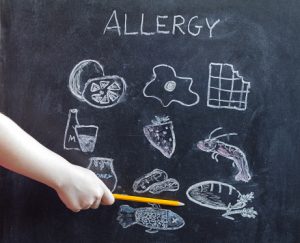
Roughly 15 million Americans—the majority of them children—have food allergies. Have you ever wondered why this is? Or why many kids can actually outgrow their food allergies as they mature?
The answer has to do with how our immune systems learn to differentiate between dangerous and benign foreign substances.
Just like pathogens, food contains macromolecular markers known as antigens, which the immune system recognizes as foreign. Of course, if our…
READ MORE →How to Exercise with Asthma
Tips for managing your asthma symptoms while exercising.
 If you have asthma, you may be reluctant to exercise because when you do, it triggers your symptoms. You may have to endure wheezing, chest tightness, shortness of breath, or chronic cough.
However, exercise is important for your overall health. And in fact, exercise can actually improve control of your asthma by strengthening respiratory muscles and helping to maintain a healthy weight.
The key is to figure out how to exercise safely, in a way that does…
READ MORE →Do’s and Don’ts for Managing Chronic Hives
Advice for managing the symptoms of chronic hives with help from your allergy doctor.
 Most of the time, hives are caused by exposure to a specific trigger, such as an allergen, stress, or sun. However, sometimes hives appear and persist with no known cause. If you have this type of chronic hives, don’t worry. You can manage your symptoms with help from an experienced allergy doctor.
Here are some do’s and don’ts that are essential for managing chronic READ MORE →
Look Beyond the Bedroom to Control Dust Mite Allergies
Mattresses and pillows are not the top source of exposure to dust mites.
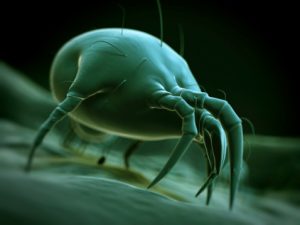 Many individuals with asthma or allergies worry about dust mites. These microscopic creatures inhabit every American home, feeding on dead skin cells shed by humans and leaving their own shed cells and feces behind. Both dust mite cells and feces can trigger allergic reactions. Specifically, contact with dust mite allergens causes nasal congestion and swelling and irritation of the upper respiratory tract,…
6 Tips to Survive an Epic Spring Allergy Season
This year’s spring allergy season may be tough but our allergy doctors can help you survive it.
 This year’s spring allergy season is well under way, and climate change may have something to do with it. According to scientists around the globe, many regions are now experiencing longer and more severe allergy seasons as trees and grasses respond to a warming planet. Warmer temperatures in early spring allow the allergy season to start…
Want to Breathe Easier? Don’t Use Home Fragrances
Home fragrances can be irritating to anyone, but especially to individuals with allergies or asthma.
 Many people find home fragrances—whether in the form of air freshener sprays, plug-in deodorizers, or scented candles—pleasant and enjoyable. But for allergy and asthma sufferers, these kinds of home fragrances can cause significant distress.
According to the American College of Allergy, Asthma, & Immunology, home fragrances can trigger and/or aggravate symptoms for both allergy and asthma sufferers. About 20 percent of…
READ MORE →Is Your Asthma REALLY Well-Controlled?
New survey suggests many asthma sufferers are not getting the benefits they should from their medicine.
 Are you living with asthma? Do you feel your asthma is well-controlled with daily asthma medication or an inhaler?
You might be wrong.
According to a recent survey of 2,900 asthma patients commissioned by the nonprofit organization Allergy & Asthma Network, most individuals consider their asthma well-controlled. Yet 70 percent of them report symptoms like wheezing, shortness of breath, and daytime fatigue interfering with daily activities like walking, sleeping,…
READ MORE →Baby Boomers Can Benefit from Allergy Shots
New research shows a 55 percent reduction in symptoms after 3 years of allergy shots
 Allergy shots have long been a trusted treatment option for individuals with seasonal allergies that are poorly controlled by medications. However, up until recently the majority of research and treatment efforts have focused on children and younger adults, rather than seniors.
There are many possible reasons for this. Many doctors are overlooking the possibility of allergy treatment because seniors tend to have so many other more pressing medical issues. And having grown…
READ MORE →Tips for Managing Tree Pollen Allergies
Our allergy doctors can help you avoid the ordeal of early spring tree pollen allergies.
 Do you dread spring because of unpleasant allergy symptoms? If your sneezing fits, water eyes, runny or congested nose, or other symptoms start early in the season, it’s highly likely you are allergic to tree pollen. Trees are typically the first group of plants to release their pollen in spring, and a wide variety of trees can cause allergic reactions, including:
- Ash
- Aspen
- Beech
- Birch
- Box Elder
- Cedar
- Cottonwood
- Elm
- Mulberry
- Oak
- Willow
Fortunately, you do not have to just suffer through tree pollen…
READ MORE →What Seasonal Allergy Sufferers Need Know About Oral Allergy Syndrome
Learn why your mouth might tingle after eating fresh fruits or veggies if you have hay fever.
 Have you ever experienced itching or tingling in your mouth, lips, or throat when eating certain foods? If you have hay fever or seasonal allergies, what you’re experiencing is almost certainly oral allergy syndrome. Here’s what you need to know about this condition.
What Causes Oral Allergy Syndrome
Oral allergy syndrome is sometimes also called pollen-associated food allergy syndrome. This second name, while cumbersome to say aloud, helps…
READ MORE →