


Tips for Managing Tree Pollen Allergies
Our allergy doctors can help you avoid the ordeal of early spring tree pollen allergies.
 Do you dread spring because of unpleasant allergy symptoms? If your sneezing fits, water eyes, runny or congested nose, or other symptoms start early in the season, it’s highly likely you are allergic to tree pollen. Trees are typically the first group of plants to release their pollen in spring, and a wide variety of trees can cause allergic reactions, including:
- Ash
- Aspen
- Beech
- Birch
- Box Elder
- Cedar
- Cottonwood
- Elm
- Mulberry
- Oak
- Willow
Fortunately, you do not have to just suffer through tree pollen season. Here are some tips to help you enjoy spring despite tree pollen allergies.
Limit Exposure to Pollen
As with many types of allergies, the simplest way to find relief from pollen allergies is simply to avoid exposing yourself to the allergen. While it may not be possible to totally insulate yourself from tree pollen, you can minimize your exposure by:
- Checking pollen counts before you plan outdoor activities
- Avoiding spending time outdoors in the morning, when pollen counts are high
- Protecting your eyes with sunglasses and your respiratory system with a dust mask when working outside
- Never drying clothes outside during tree pollen season
Keep Your Indoor Air Clean
Of course, even if you never leave your home, tree pollen can still get into your indoor air and torment you. You can help reduce the amount of pollen that gets inside by:
- Running your air conditioner on “fan” for ventilation rather than opening a window
- Using a high-quality filter for your air conditioner and cleaning or changing it often
- Keeping the vent closed when driving in the car
- Changing your clothes and taking a shower if you are coming inside after being out on a day with high pollen counts
Start Treatment Early
It is better to start your seasonal allergy medications early rather than waiting until your symptoms become unbearable. This approach is more comfortable for you in that it spares you the suffering associated with severe symptoms. And when your symptoms are less severe, your medication will work better and provide better relief.
At Allergy, Asthma, & Immunology Medical Group, we can recommend a variety of safe and effective allergy medications and help you find the right balance to provide maximum relief of your unique combination of symptoms.
Consider Allergy Testing
While life experience may be enough to give you a general idea of when your seasonal pollen allergies are going to kick in, if you want to anticipate your symptoms with greater precision you may want to consider getting pollen allergy testing. This can help you understand which specific species may be triggering your allergy, though tests are not necessarily available for every single plant species under the sun. Once you know which tree or trees are responsible for your symptoms, you can start predicting the start and end of your own personal allergy season based on the lifecycle of the plant. This will help you get started on your allergy medications early enough to see maximum relief and help you drop your pollen-evading efforts as soon as the danger has passed.
If you need help with any kind of pollen allergy symptoms, please contact one of our clinic locations right away.



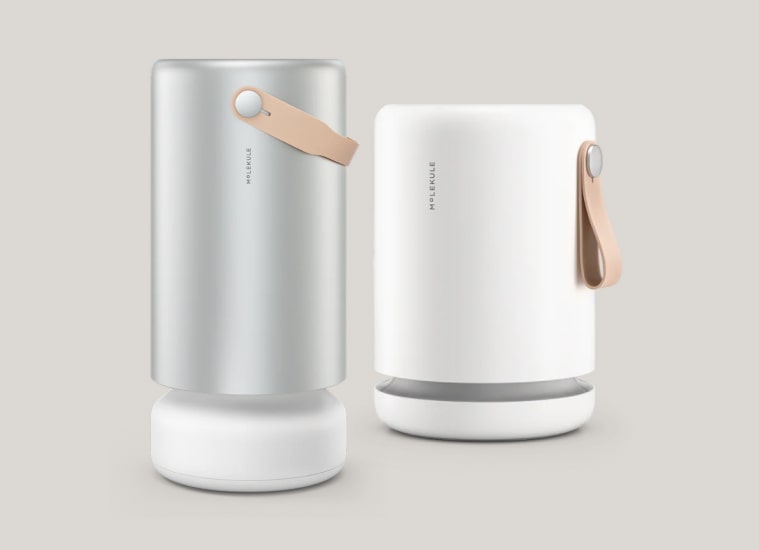
Special Pricing on Air Purifiers Through Molekule Partnership
We have teamed up with Molekule, a leading brand in air purifiers, to provide our patients exclusive discounted pricing on their air purifiers. Access our dedicated link to view these special rates.
The discounted price will be clearly visible during the checkout process, before entering your credit card information. This way, you'll know exactly how much you're saving before finalizing your purchase.
Click hereCopyright © 2026 Allergy, Asthma, and Immunology Medical Group.
All Rights Reserved.
451 W. Gonzales Rd, Suite 150, Oxnard, CA 93030 | 805-658-9500
23928 Lyons Avenue, Suite 208, Newhall, CA 91321 | 805-658-9500
3801 Las Posas Road, Suite 211, Camarillo, CA 93010 | 805-658-9500
