


Why Scratching an Itch Feels So Good—And Why You Shouldn’t Do It
If you have chronic itch, visit an allergist for help instead of scratching.
If you suffer from eczema, hives, or some other type of itchy skin condition, you know firsthand how good it feels to scratch an itch—and how much worse the itch seems to get as soon as you scratch. This is all part of a self-reinforcing cycle that scientists have only begun to study closely in the past few years.
What Happens in Your Brain When You Scratch an Itch
 When you scratch an itch, this causes pain, which replaces the itchy sensation and makes you feel better. However, when you have pain, the brain releases serotonin to help control it. This has an unfortunate side effect: researchers studying mice have found that the release of serotonin activates nerve cells in the spinal cord that are responsible for relaying itch signals from the skin to the brain. In other words, by scratching, you are actually perpetuating the itch.
When this cycle goes on for long periods of time (say more than 6 weeks), as often occurs in individuals with chronic itch from some sort of allergy, the brain actually begins to rewire itself. Another group of researchers studied MRIs taken while individuals scratched an itch and found that the brains of those individuals who had chronic itch showed much more activity. Specifically, areas of the brain associated with motor control and motivation to act, as well as areas associated with feelings of reward, were significantly more active in chronic itch patients than in other individuals. Other researchers have also found that areas of the brain associated with negative emotions and memories become less active while scratching, further rewarding the activity.
Why Scratching Is Bad
Scratching an itch is bad, not only because the traditional wisdom of “scratching makes it worse” has turned out to be demonstrably true, but also because scratching damages skin. Your skin serves as an important barrier against the dirt and germs of the outside world, and when you compromise this barrier by scratching, infection may result. If you keep scratching, scarring could result.
What to Do Instead
Scratching the occasional itch is fine. But if you have a condition causing chronic itch, you need to get that underlying condition treated. An allergist can help. At Allergy, Asthma, & Immunology Medical Group, our caring allergists can run allergy tests to help pinpoint your allergic triggers as well as offer treatment options to block the allergic reaction, reduce the sensation of itching, and/or help damaged skin repair itself. Please do not hesitate to contact us for help.



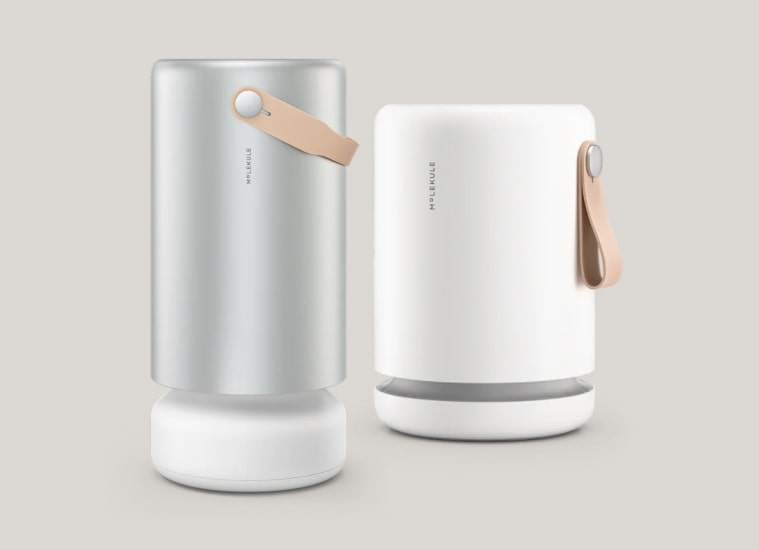
Special Pricing on Air Purifiers Through Molekule Partnership
We have teamed up with Molekule, a leading brand in air purifiers, to provide our patients exclusive discounted pricing on their air purifiers. Access our dedicated link to view these special rates.
The discounted price will be clearly visible during the checkout process, before entering your credit card information. This way, you'll know exactly how much you're saving before finalizing your purchase.
Click hereCopyright © 2026 Allergy, Asthma, and Immunology Medical Group.
All Rights Reserved.
451 W. Gonzales Rd, Suite 150, Oxnard, CA 93030 | 805-658-9500
23928 Lyons Avenue, Suite 208, Newhall, CA 91321 | 805-658-9500
3801 Las Posas Road, Suite 211, Camarillo, CA 93010 | 805-658-9500
