


Tips for Skin Allergy Sufferers
Best rash-preventing tips for individuals with sensitive skin.
 While some types of skin allergies are linked to food allergens, hay fever, or asthma, in the vast majority of cases the red, itchy, bumpy, inflamed skin is caused by direct contact with an allergen. This condition is called allergic contact dermatitis.
Individuals with allergic contact dermatitis often also suffer from irritant contact dermatitis, meaning reactions can be triggered by contact with many different types of irritating chemicals or substances that, strictly speaking, are not allergens.
Whether you have been diagnosed with a skin allergy or merely suffer from sensitive skin, these 4 tips should help you avoid rashes and flare-ups and generally enjoy calmer, healthier skin.
Wash New Clothes Before Wearing
Factory-made clothing often contains traces of formaldehyde, which is used to keep the garments from becoming wrinkled or mildewed in storage. Though the government does limit the amount of formaldehyde allowed in clothes sold in the US, in practice there is very little enforcement. Researchers have found that country of origin or fabric type made very little difference in the amount of formaldehyde present—high levels were found in many different products. To prevent the formaldehyde from causing allergic or irritant contact dermatitis, experts recommend washing new clothes at least once before you wear them. For best results, use a laundry detergent specially formulated for sensitive skin.
Wear Loose Clothing
Wearing tight-fitting clothing—especially if it the fabric is rough or contains synthetic fibers like nylon or polyester—can actually cause some people with skin allergies to break out in a rash. If you already have a rash, the tight clothing rubbing against it will only make it itch more. It’s best to stick to loose-fitting clothing that is gentle on your skin and gives it plenty of room to breathe.
Avoid Cosmetics
If you have a patch of eczema or some other type of skin allergy on your face, it can be very tempting to want to cover it up with makeup. Unfortunately, many cosmetic products contain chemicals that have the potential to irritate your skin even more and prevent healing.
Of course, if you do have allergic contact dermatitis, you need to be careful to avoid the specific allergens that trigger your skin symptoms, as well as the various chemicals that can be irritating to sensitive skin. If you don’t know what your allergic triggers are, make an appointment with one of our allergy doctors to find out. We can provide a skin test to check for common triggers as well as recommend various products to help relieve itching, keep skin moisturized, and help skin repair itself.



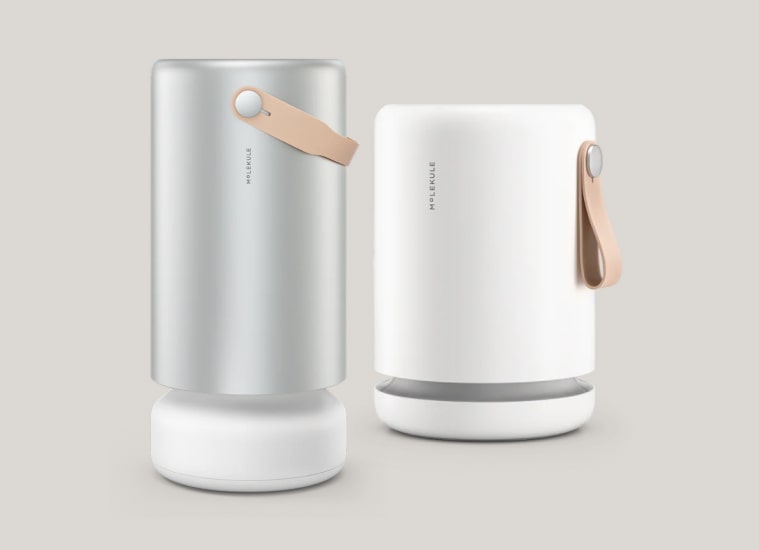
Special Pricing on Air Purifiers Through Molekule Partnership
We have teamed up with Molekule, a leading brand in air purifiers, to provide our patients exclusive discounted pricing on their air purifiers. Access our dedicated link to view these special rates.
The discounted price will be clearly visible during the checkout process, before entering your credit card information. This way, you'll know exactly how much you're saving before finalizing your purchase.
Click hereCopyright © 2026 Allergy, Asthma, and Immunology Medical Group.
All Rights Reserved.
451 W. Gonzales Rd, Suite 150, Oxnard, CA 93030 | 805-658-9500
23928 Lyons Avenue, Suite 208, Newhall, CA 91321 | 805-658-9500
3801 Las Posas Road, Suite 211, Camarillo, CA 93010 | 805-658-9500
