


It’s Not Too Late to Treat Fall Ragweed Allergies
Visit one of our allergists for personalized ragweed allergy treatment.
This summer was a bad one for allergy sufferers, with high pollen counts in many places. Unfortunately, now that fall is approaching a new pollen allergen will be taking the place of summer pollens and perhaps causing even more sneezing and wheezing.
The name of that pollen?
Ragweed.
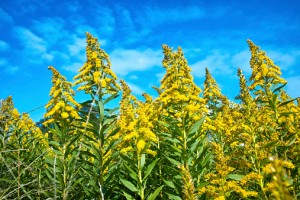 According to the American College of Allergy, Asthma, & Immunology, ragweed is the biggest fall allergy trigger. And most people who are allergic to pollens are allergic to ragweed.
Ragweed typically starts producing pollen when nights start to cool in August. The release usually lasts into September and sometimes continues into October as well. Symptoms of ragweed allergy include all the typical discomforts associated with hay fever, including runny nose, itchy eyes, sneezing, congestion, and sinus headaches. Ragweed can also trigger asthma attacks in individuals with allergic asthma.
So what can you do about ragweed allergies?
Visit your allergist.
At Allergy, Asthma, & Immunology Medical Group, we offer a variety of options for treating hay fever trigged by ragweed and other pollens. While it is best to begin treatment before ragweed season starts, this does not mean that it’s too late to treat your symptoms this year! We can provide immediate relief as well as help you create a plan for managing your allergies next season.
Here’s what we can offer:
Ragweed Medications: Depending on your symptoms, we can offer a variety of allergy medications to help relieve and control immediate symptoms. This includes decongestants, antihistamines, and nasal corticosteroids.
Ragweed Tablets: There are also some medications that are available in tablet form that can actually help prevent hay fever from ragweed and grass pollen. These tablets need to be started at least 3 months before the allergy season, so they would be a good example of a treatment plan for next season.
Allergy Shots: Another option you might want to consider for the future is allergy shots or immunotherapy. This treatment exposes you to gradually increasing amounts of an allergen (in this case ragweed) in order to re-educate your immune system on how to react to the allergen. With years of treatment, you can actually reduce your sensitivity to ragweed so that you no longer have a significant immune response to it.
Avoidance Tips: Learning how to avoid exposure to ragweed is another excellent way to reduce your immediate allergy symptoms. For example, did you know that ragweed pollen levels are usually higher on warm, breezy days and between 10 am and 3 pm? Simply staying indoors during these conditions can help reduce exposure. We can also additional tips for how to protect yourself when you can’t avoid going out and for keeping pollen out of your indoor environment.
To learn more, please make an appointment with one of our qualified allergists today.



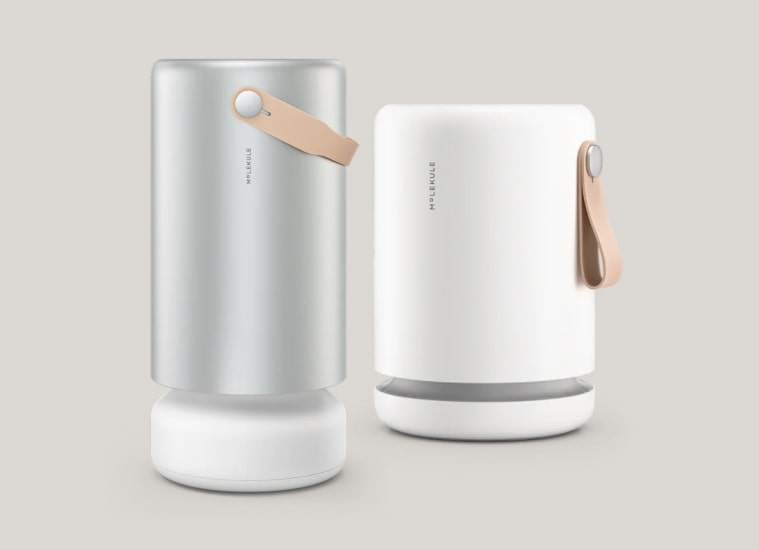
Special Pricing on Air Purifiers Through Molekule Partnership
We have teamed up with Molekule, a leading brand in air purifiers, to provide our patients exclusive discounted pricing on their air purifiers. Access our dedicated link to view these special rates.
The discounted price will be clearly visible during the checkout process, before entering your credit card information. This way, you'll know exactly how much you're saving before finalizing your purchase.
Click hereCopyright © 2026 Allergy, Asthma, and Immunology Medical Group.
All Rights Reserved.
451 W. Gonzales Rd, Suite 150, Oxnard, CA 93030 | 805-658-9500
23928 Lyons Avenue, Suite 208, Newhall, CA 91321 | 805-658-9500
3801 Las Posas Road, Suite 211, Camarillo, CA 93010 | 805-658-9500
