


Is It More Than a Rash? Understanding Eczema and Atopic Dermatitis

If you’ve been dealing with itchy, inflamed skin that just won’t go away, you may be wondering whether it’s more than just a rash. For millions of Americans, the answer is yes. Eczema — and its most common form, atopic dermatitis — is a chronic skin condition that can significantly impact your quality of life. The good news is that effective treatment is available, and understanding the condition is the first step toward real relief.
What Is Atopic Dermatitis?
Atopic dermatitis is a chronic inflammatory skin condition characterized by dry, itchy, and irritated skin. The word “atopic” refers to a group of conditions linked to an overactive immune response, which is why atopic dermatitis often appears alongside other allergic conditions like asthma and hay fever. In fact, many patients who develop eczema early in life go on to develop these related conditions — a pattern sometimes called the “atopic march.”
While eczema is especially common in children, it can persist into adulthood or even develop for the first time in adults. The condition tends to flare up periodically, with symptoms worsening in response to certain triggers and then improving for a period of time.
Recognizing the Symptoms
Symptoms of atopic dermatitis can vary from person to person, but typically include:
- Dry, sensitive skin
- Intense itching, especially at night
- Red to brownish-gray patches
- Small, raised bumps that may weep fluid when scratched
- Thickened, cracked, or scaly skin
- Raw, swollen skin from repeated scratching
These symptoms most commonly appear on the hands, feet, ankles, wrists, neck, upper chest, and the bends of the elbows and knees. In infants, the face and scalp are often affected.
What Triggers Eczema Flares?
Eczema flares can be triggered by a wide range of environmental and lifestyle factors. Common triggers include:
- Dry weather or low humidity
- Sweat and heat
- Certain soaps, detergents, and skin care products
- Dust mites, pet dander, and pollen
- Stress
- Certain fabrics, particularly wool or synthetic materials
- Food allergens in some individuals
Identifying your personal triggers is an important part of managing the condition and reducing the frequency of flares.
Modern Treatment Options
Managing atopic dermatitis has come a long way in recent years. While moisturizers and topical corticosteroids remain foundational treatments, patients with moderate to severe eczema now have access to more advanced therapies — including biologics.
One of the most significant advances is DUPIXENT, a biologic medication that targets the underlying immune response responsible for chronic inflammation. DUPIXENT is administered through self-injections and is designed to clear skin lesions and reduce the persistent inflammation that makes atopic dermatitis so difficult to live with. Unlike broad immunosuppressants, DUPIXENT works by specifically blocking certain immune signals, which means it addresses the root cause rather than just the symptoms.
At Allergy, Asthma, and Immunology Medical Group, our team is experienced in evaluating patients with atopic dermatitis and developing personalized treatment plans that may include biologics, allergy testing, and lifestyle guidance. We take a comprehensive approach to care, understanding that eczema often exists alongside other allergic conditions that may also need to be addressed.
Find Relief Today
Living with eczema doesn’t have to mean living with constant discomfort. Whether you’re experiencing your first flare or have been struggling with symptoms for years, help is available. Contact Allergy, Asthma, and Immunology Medical Group today at 805-658-9500 to schedule an appointment and take the first step toward healthier, more comfortable skin.



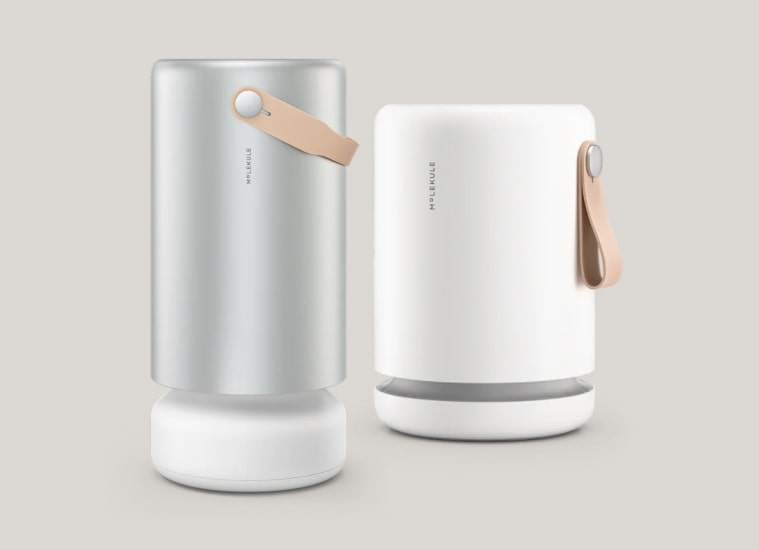
Special Pricing on Air Purifiers Through Molekule Partnership
We have teamed up with Molekule, a leading brand in air purifiers, to provide our patients exclusive discounted pricing on their air purifiers. Access our dedicated link to view these special rates.
The discounted price will be clearly visible during the checkout process, before entering your credit card information. This way, you'll know exactly how much you're saving before finalizing your purchase.
Click hereCopyright © 2026 Allergy, Asthma, and Immunology Medical Group.
All Rights Reserved.
451 W. Gonzales Rd, Suite 150, Oxnard, CA 93030 | 805-658-9500
23928 Lyons Avenue, Suite 208, Newhall, CA 91321 | 805-658-9500
3801 Las Posas Road, Suite 211, Camarillo, CA 93010 | 805-658-9500
