


Do You Have Winter Allergies?
Persistent cold-like symptoms could be a sign you need to visit the allergy doctor
 Most people associate spring with allergy season and winter with colds. So when they develop a runny or stuffy nose, itchy throat, watery eyes, or other similar symptoms, their first thought is usually that they must be coming down with a cold.
However, these symptoms could also be caused by winter allergies.
What Are Winter Allergies?
Winter allergies are essentially just indoor allergies. Indoor allergies can strike at any time of the year, but they are more likely to bother you in winter. When buildings are shut up against the cold, common allergens like dust, pet dander, and mold spores can accumulate to higher levels than at other times of the year. Your symptoms may also feel worse in winter due to the dry air. Winter air is naturally less humid than summer air, and your heating system can extract even more moisture from the air, leaving your mucus membranes vulnerable to becoming dry and sensitive.
Is It Allergies or a Cold?
While symptoms of the common cold can vary, the illness typically follows a standard pattern in which symptoms are conquered in 10 days. If your symptoms do not follow this pattern, it is highly likely that you are actually experiencing winter allergies.
With winter allergies, you may have symptoms that drag on and on for well over 10 days, or recurring bouts of symptoms that go away faster than a cold should, but return often.
Another hint that you may be suffering from winter allergies rather than a cold is if you usually have hay fever in the spring, summer, or fall. Often, individuals who are allergic to pollens (a common trigger for hay fever) will also have a response to indoor allergens.
What Can You Do to Relieve Winter Allergies?
The best way to relieve winter allergies would be to remove all the allergens from your indoor environment entirely. You can make great strides towards this by taking steps like cleaning or replacing your HVAC filters, using an air purifier, brushing pets more often, and using bedding designed to be inhospitable to dust mites. However, it is pretty much impossible to keep all allergens out of your home. And you will certainly not be able to change the environment of other people’s homes or businesses that you visit in the wintertime.
This means you may also want to visit an allergy doctor for advice about the best medications for controlling winter allergies. Call Allergy, Asthma, & Immunology Medical Group now to make your appointment.



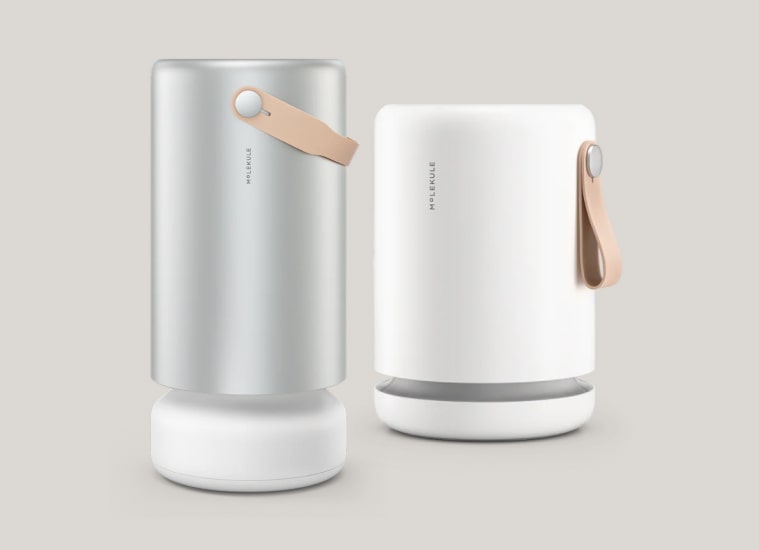
Special Pricing on Air Purifiers Through Molekule Partnership
We have teamed up with Molekule, a leading brand in air purifiers, to provide our patients exclusive discounted pricing on their air purifiers. Access our dedicated link to view these special rates.
The discounted price will be clearly visible during the checkout process, before entering your credit card information. This way, you'll know exactly how much you're saving before finalizing your purchase.
Click hereCopyright © 2026 Allergy, Asthma, and Immunology Medical Group.
All Rights Reserved.
451 W. Gonzales Rd, Suite 150, Oxnard, CA 93030 | 805-658-9500
23928 Lyons Avenue, Suite 208, Newhall, CA 91321 | 805-658-9500
3801 Las Posas Road, Suite 211, Camarillo, CA 93010 | 805-658-9500
