


Bee Sting Allergy: How to Tell if Your Reaction Is Serious

Most bee stings cause brief pain, redness, and swelling that fade within a few hours. For some people, though, a sting can set off an allergic reaction that ranges from uncomfortable to life-threatening. Knowing the difference between a normal reaction and a dangerous one helps you respond quickly and protect yourself in the future. At Allergy, Asthma, and Immunology Medical Group, our allergists help patients understand their risk and build a plan that keeps them safe outdoors.
What Does a Normal Bee Sting Reaction Look Like?
A typical reaction stays at the sting site and improves on its own. Common signs include:
- Sharp, burning pain at the moment of the sting
- A raised red welt around the puncture
- Mild swelling and itching that fade within a day
This is the body’s local response to venom and does not mean you have a bee sting allergy. Removing the stinger promptly, washing the area, and applying a cold compress usually provide relief.
What Is a Large Local Reaction?
Some people develop swelling that spreads well beyond the sting, sometimes covering an entire hand, forearm, or lower leg. These large local reactions often peak one to two days after the sting and can take up to a week to resolve. They are uncomfortable but are generally not life-threatening on their own. Still, if you have had one, it is worth discussing with an allergist, especially if the swelling gets worse with each sting.
When Is a Bee Sting Reaction an Emergency?
A reaction is serious when symptoms appear in parts of the body away from the sting. This is called a systemic reaction, and it can progress to anaphylaxis within minutes. Warning signs include:
- Hives or itching spreading across the body
- Swelling of the lips, tongue, face, or throat
- Wheezing, coughing, or trouble breathing
- Dizziness, fainting, or a rapid, weak pulse
- Nausea, vomiting, or stomach cramps
- A sense that something is very wrong
If you notice any of these symptoms, use an epinephrine auto-injector if you have one and call 911 right away. Do not wait to see whether symptoms improve on their own.
Who Is Most at Risk for a Serious Reaction?
Anyone can develop a bee sting allergy, even after years of mild stings. Your risk may be higher if you have had a previous systemic reaction, have asthma, or spend a lot of time outdoors through work, gardening, or sports. Children and adults alike can be affected, which is why a professional evaluation matters for the whole family.
How Do Allergists Diagnose a Bee Sting Allergy?
An allergist will review your history of stings and symptoms, then may recommend testing to confirm which insect venoms you react to. Allergy skin testing and blood tests help identify sensitivity to venom from honeybees, wasps, yellow jackets, and hornets. These results guide your treatment plan and help determine whether you need to carry epinephrine.
Can a Bee Sting Allergy Be Treated?
Yes. Beyond carrying an epinephrine auto-injector, many patients benefit from venom immunotherapy. Similar to allergy shots, this treatment gradually exposes your immune system to small, increasing doses of venom so your body builds tolerance over time. Venom immunotherapy is highly effective at lowering the risk of future severe reactions and can give you peace of mind when spending time outside.
Protect Yourself with Expert Allergy Care
A single serious reaction is reason enough to get evaluated, and even repeated large local reactions deserve attention. The experienced allergists at Allergy, Asthma, and Immunology Medical Group can test for venom allergies, explain your risk, and create a personalized plan to keep you safe. Call 805-658-9500 today to schedule an appointment at one of our convenient locations, and learn more about how we treat bee sting allergies.



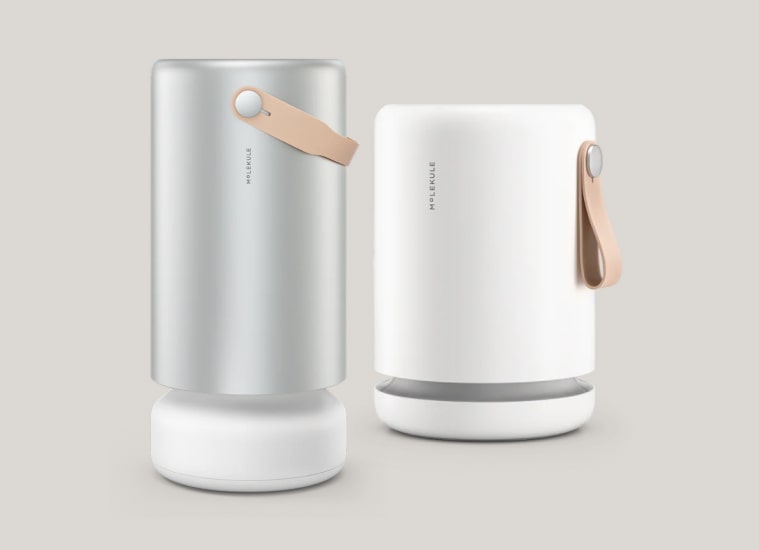
Special Pricing on Air Purifiers Through Molekule Partnership
We have teamed up with Molekule, a leading brand in air purifiers, to provide our patients exclusive discounted pricing on their air purifiers. Access our dedicated link to view these special rates.
The discounted price will be clearly visible during the checkout process, before entering your credit card information. This way, you'll know exactly how much you're saving before finalizing your purchase.
Click hereCopyright © 2026 Allergy, Asthma, and Immunology Medical Group.
All Rights Reserved.
451 W. Gonzales Rd, Suite 150, Oxnard, CA 93036 | 805-658-9500
23928 Lyons Avenue, Suite 208, Newhall, CA 91321 | 805-658-9500
3801 Las Posas Road, Suite 211, Camarillo, CA 93010 | 805-658-9500
