

A New Approach to Infant Peanut Allergies
Studies reveal new tactics for eliminating milk and peanut allergies.
 Food allergies can be a scary subject for new parents. Typically, the way most parents find out their baby has a food allergy is by surprise: a food containing the allergy is offered and the baby swells up with hives and perhaps even has constriction of the airways that make them wheeze and gasp for breath.
Knowing that kids with one food allergy are likely to have another, and by no means eager for a repeat of that first allergic reaction, parents often decide to take a better safe than sorry approach and avoid not only the known allergen but also all of the other common food allergens.
Recent research into peanut allergies has shown that this may not be the best approach after all. By not exposing their babies to likely food allergens, parents may actually be creating an allergy where before there was none.
The results of the LEAP trial conducted by Dr. Gideon Lack of King’s College, London certainly support this idea. After noticing that kids in the UK showed peanut allergies at 10 times the rate of kids in Israel, Lack theorized that the difference was in the kids’ diet. Israeli babies eat a lot of peanut protein in their first year of life, whereas British babies often do not consume peanuts until age 3, due to parental fears of triggering an allergic reaction.
In the LEAP trial, Lack studied 530 infants between the ages of 4 and 11 months. This included many babies who had conditions such as severe eczema or egg allergies which would normally make doctors consider them high risk for having peanut allergy. Lack performed allergy tests on all the babies to check if any of them had a pre-existing peanut allergy. Those that did were excluded from the study. Of the rest of the babies, half were given peanut butter and other peanut products, and half were not allowed any peanuts.
By age 5, only 3.2 percent of the children who had eaten peanuts had developed a peanut allergy. In the group that strictly avoided peanuts, 17.2 percent of the children ended up allergic.
New Recommendations for Parents
The results of the LEAP study have led many expert pediatric allergists to change the advice they give new parents about peanuts. Parents are now advised to:
- Get peanut allergy testing if their baby shows any sign of an allergic condition
- If testing is positive, avoid all peanut products
- If testing is negative, introduce peanut foods early to decrease the risk of the child developing a peanut allergy later
At Allergy, Asthma, & Immunology Medical Group, we provide expert food allergy testing for infants, children, and adults. We invite you to make an appointment today.



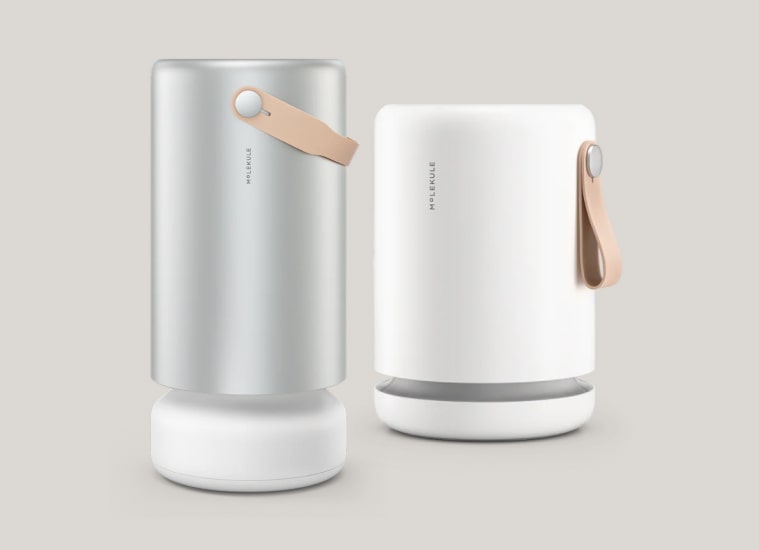
Special Pricing on Air Purifiers Through Molekule Partnership
We have teamed up with Molekule, a leading brand in air purifiers, to provide our patients exclusive discounted pricing on their air purifiers. Access our dedicated link to view these special rates.
The discounted price will be clearly visible during the checkout process, before entering your credit card information. This way, you'll know exactly how much you're saving before finalizing your purchase.
Click hereCopyright © 2026 Allergy, Asthma, and Immunology Medical Group.
All Rights Reserved.
451 W. Gonzales Rd, Suite 150, Oxnard, CA 93030 | 805-658-9500
23928 Lyons Avenue, Suite 208, Newhall, CA 91321 | 805-658-9500
3801 Las Posas Road, Suite 211, Camarillo, CA 93010 | 805-658-9500
