


5 Things to Avoid for an Itch-Free Summer
Learn about 5 common items that could cause an unpleasant reaction and how to keep them from spoiling your summer fun.
Summer is here! It’s a great time to enjoy the outdoors with friends and family, but beware of these 5 things that could make you itch, scratch, or sneeze all summer long.
Pollen
 While most people associate hay fever with spring, when grass pollen is prevalent, and fall, when ragweed comes into season, in reality pollen problems can potentially continue all summer long. In many parts of the country, weed pollen is prevalent from July to August and can keep your itchy eyes, runny nose, and other symptoms acting up virtually all summer long. While pollen is virtually impossible to avoid completely, you can reduce your exposure by keeping track of pollen counts for your local area and limiting outdoor activities on days with high pollen counts. When you do go outside, wear sunglasses to help keep pollen from getting into your eyes and making them itch.
Bug Bites
Many kinds of biting insects can cause an itchy reaction, especially mosquitos, black flies, and fire ants. Stinging insects like bees, yellow jackets, and hornets can cause varied reactions. For some people, a bee sting is merely painful, while for a small percentage of individuals the reaction could be life-threatening. The best bet is to just stay away from areas where insects like to hang out. If you do need to work or play outside, wear bug repellant, don’t go barefoot in grass, and remember that food and drink can attract bees.
Poison Ivy
Most people do a good job keeping poison ivy out of their yards in residential areas, but if you visit a park or natural area you may encounter this plant. Contact with oils in the leaves of the plant can cause a very unpleasant allergic reaction in most people, though a few lucky individuals seem to be immune. Though rashes from poison ivy are relatively easy to treat with over the counter products, to spare yourself the discomfort of a poison ivy rash it’s best to learn to identify and avoid the plant.
Chlorine
Chlorine in swimming pools has the potential to cause two types of problems. First, with prolonged or repeated exposure you may develop an itchy rash. The other problem chlorine can cause is respiratory tract irritation, which may worsen any existing allergies or asthma you may have. In this case, the good news is you don’t actually have to avoid the pool entirely—just be sure to visit your allergist to figure out what the underlying cause of your discomfort is and get it treated.
Watermelon
If you have hay fever, you may suffer a cross-reaction when you eat one of America’s favorite summertime fruits, namely watermelon. Fortunately, this type of oral allergy is very different from a food allergy and hardly ever causes a serious reaction. Instead, you may simply feel some itching, tingling, or swelling inside your mouth. It’s up to you to decide if watermelon tastes good enough to tolerate this itchiness.



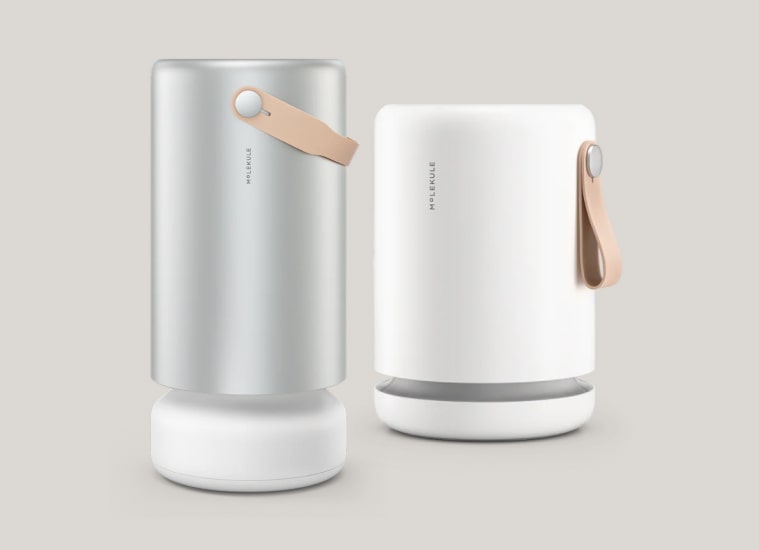
Special Pricing on Air Purifiers Through Molekule Partnership
We have teamed up with Molekule, a leading brand in air purifiers, to provide our patients exclusive discounted pricing on their air purifiers. Access our dedicated link to view these special rates.
The discounted price will be clearly visible during the checkout process, before entering your credit card information. This way, you'll know exactly how much you're saving before finalizing your purchase.
Click hereCopyright © 2026 Allergy, Asthma, and Immunology Medical Group.
All Rights Reserved.
451 W. Gonzales Rd, Suite 150, Oxnard, CA 93030 | 805-658-9500
23928 Lyons Avenue, Suite 208, Newhall, CA 91321 | 805-658-9500
3801 Las Posas Road, Suite 211, Camarillo, CA 93010 | 805-658-9500
