


Winter Allergies: How to Cope with Dust Mites, Mold, and Dry Air During the Cold Months

Winter is the season of cozy nights by the fire, festive gatherings, and colder weather. However, for many allergy sufferers, winter can also bring a new set of challenges. Dust mites, mold, and dry air can trigger allergy symptoms, making it difficult to breathe comfortably and enjoy the season. While you may think that allergens are more common in spring and summer, winter brings its own unique set of indoor allergens that can wreak havoc on your health. In this blog post, we’ll discuss common winter allergens and provide effective strategies to help you cope with symptoms during the cold months.
Common Winter Allergens
Dust Mites: Dust mites are microscopic creatures that thrive in warm, humid environments. During winter, when homes are closed up tight to keep out the cold, dust mites tend to accumulate in bedding, carpets, and upholstered furniture. As we spend more time indoors, dust mites can trigger allergic reactions like sneezing, runny nose, and itchy eyes.
Mold: Mold thrives in damp conditions, and winter’s humidity can create the perfect environment for it to grow, especially in areas like bathrooms, basements, and kitchens. Mold spores are airborne, and when inhaled, they can trigger allergic reactions and worsen asthma symptoms.
Dry Air: Cold winter air can dry out the skin and mucous membranes, making it harder for your body to filter allergens. The use of indoor heating can also exacerbate dryness, leading to irritated airways and worsen allergy symptoms.
Tips for Managing Winter Allergies
Use a Humidifier: Since dry indoor air can worsen allergy symptoms, using a humidifier in your home can help keep the air moist and reduce dryness. This can help soothe irritated nasal passages, throat, and skin, and make breathing easier.
Wash Bedding Regularly: Dust mites love to live in bedding, so washing sheets, pillowcases, and blankets in hot water every week is essential. This helps reduce their numbers and keeps your bedding allergen-free.
Keep Humidity Levels in Check: While humidity is essential to avoid dry air, too much humidity can promote mold growth. Use a hygrometer to monitor humidity levels and aim for a balance between 30-50% humidity in your home.
Clean Regularly: Regular cleaning is key to controlling indoor allergens. Vacuum carpets, rugs, and upholstered furniture using a HEPA filter vacuum to trap dust and allergens. Don’t forget to clean behind furniture and in hidden corners where dust and mold may accumulate.
Check for Mold: Mold can hide in places you can’t always see, like inside walls, ducts, and behind furniture. Look for signs of mold growth, like a musty smell, and address the issue promptly by cleaning affected areas with mold-killing products or seeking professional help if necessary.
Limit Indoor Triggers: When you’re stuck indoors, allergens like pet dander and dust mites can become more concentrated. Use allergen-proof covers for pillows and mattresses, and keep pets out of the bedroom to reduce exposure to pet dander.
Stay Comfortable and Breathe Easy This Winter
Winter allergies don’t have to keep you from enjoying the season. By implementing these tips and being proactive about managing allergens, you can reduce symptoms and enjoy the cold months with greater comfort. If you’re struggling with winter allergies or need personalized advice, contact Allergy, Asthma, and Immunology Medical Group at 805-658-9500. We’re here to help you breathe easier, no matter the season.



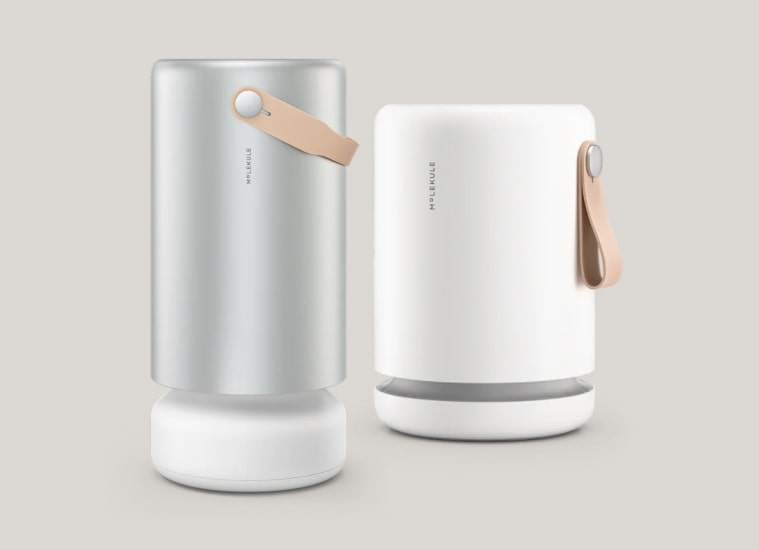
Special Pricing on Air Purifiers Through Molekule Partnership
We have teamed up with Molekule, a leading brand in air purifiers, to provide our patients exclusive discounted pricing on their air purifiers. Access our dedicated link to view these special rates.
The discounted price will be clearly visible during the checkout process, before entering your credit card information. This way, you'll know exactly how much you're saving before finalizing your purchase.
Click hereCopyright © 2026 Allergy, Asthma, and Immunology Medical Group.
All Rights Reserved.
451 W. Gonzales Rd, Suite 150, Oxnard, CA 93030 | 805-658-9500
23928 Lyons Avenue, Suite 208, Newhall, CA 91321 | 805-658-9500
3801 Las Posas Road, Suite 211, Camarillo, CA 93010 | 805-658-9500
