


Spring Allergy Survival Guide: How to Manage Pollen and Seasonal Triggers

As the days grow longer and flowers bloom, many allergy sufferers begin to feel the impact of the changing season. Spring is known for its increase in pollen, mold, and other allergens, making it a challenging time for those with seasonal allergies. But why are spring allergies so common, and how can you manage the symptoms effectively? In this Spring Allergy Survival Guide, we will explore the symptoms of spring allergies, how to treat them, and tips to stay comfortable while enjoying the season.
What Are the Symptoms of Spring Allergies?
Airborne allergens like pollen from trees, grasses, and flowers typically trigger spring allergies. The most common symptoms of spring allergies include:
- Sneezing: Frequent sneezing, especially when exposed to pollen or other allergens outdoors.
- Itchy or Watery Eyes: Allergic reactions often cause irritation and discomfort in the eyes, leading to redness, tearing, and itching.
- Runny or Stuffy Nose: Congestion and nasal discharge are common, making it difficult to breathe through your nose.
- Coughing: Postnasal drip, where mucus drips down the back of the throat, often triggers coughing, especially at night.
- Fatigue: Allergies can make you feel tired due to constant congestion or disrupted sleep.
Understanding these symptoms is crucial to managing your allergies effectively. If you’re experiencing any of these signs, it might be time to seek treatment and take steps to reduce exposure to allergens.
Why Are My Allergies So Bad in Spring?
Spring is the peak season for pollen production. Trees, grasses, and weeds release pollen into the air, which can travel long distances. For individuals with allergic rhinitis, the immune system mistakenly identifies pollen as harmful and overreacts, leading to allergy symptoms.
The increase in pollen levels, combined with the warmer temperatures and higher humidity, can make allergies worse. In addition, other seasonal allergens like mold spores from wet leaves or flowers blooming can further aggravate symptoms. When these allergens mix in the air, it can feel like the allergy season is at its worst.
Additionally, if you’re not effectively managing your allergies year-round, your sensitivity might be heightened when spring arrives. This is why it’s essential to stay ahead of the season and manage your allergy symptoms proactively.
How Do You Treat Spring Allergies?
While you can’t control the weather or the amount of pollen in the air, there are several effective treatments for spring allergies that can help reduce symptoms:
Antihistamines: These medications work by blocking histamines, the chemicals your body releases during an allergic reaction. Over-the-counter (OTC) antihistamines such as cetirizine (Zyrtec), loratadine (Claritin), or fexofenadine (Allegra) can help relieve sneezing, itchy eyes, and runny nose.
Nasal Sprays: Nasal corticosteroid sprays like Flonase or Nasacort can help reduce inflammation in the nasal passages, offering relief from congestion and sneezing.
Decongestants: Decongestants like Sudafed can help clear a stuffy nose. However, these should be used with caution and for short periods, as they can lead to rebound congestion if used for too long.
Eye Drops: If you’re experiencing itchy or watery eyes, antihistamine eye drops can help relieve irritation and reduce redness.
Allergy Shots (Immunotherapy): For those with severe seasonal allergies, immunotherapy (allergy shots) is an option. Allergy shots work by gradually desensitizing your immune system to specific allergens over time.
Natural Remedies: Natural remedies such as saline nasal rinses or honey (which may help with pollen allergies) can provide relief. However, it’s always best to consult with your healthcare provider before starting any new treatments.
Additional Tips for Managing Spring Allergies
Monitor Pollen Counts
Keep an eye on local pollen counts through weather apps or websites. On high pollen days, try to stay indoors and limit outdoor activities, especially during peak pollen times (early morning and late afternoon).
Close Windows and Doors
During high pollen seasons, keep windows and doors closed to prevent pollen from entering your home. Use air conditioning with a clean filter to circulate cool, clean air.
Shower After Outdoor Activities
After spending time outside, shower and change your clothes to wash off pollen that may have collected on your skin and hair. This helps prevent allergens from spreading indoors.
Use HEPA Filters in Your Home
Invest in HEPA air purifiers for your bedroom and living areas. These filters are excellent at trapping pollen, mold, and other allergens, improving air quality and reducing symptoms.
Keep Pets Clean
Pets can carry pollen on their fur, so be sure to bathe and wipe them down regularly during allergy season to prevent allergens from spreading indoors.
Breathe Easier This Spring
Managing spring allergies requires both proactive treatment and strategies to limit exposure to allergens. By recognizing the symptoms, understanding why allergies are worse in spring, and following practical tips, you can significantly reduce discomfort and enjoy the beauty of the season. If you’re struggling with severe allergies or need help developing an allergy management plan, contact Allergy, Asthma, and Immunology Medical Group at 805-658-9500. Our expert team is here to provide personalized treatment and help you breathe easier this spring.



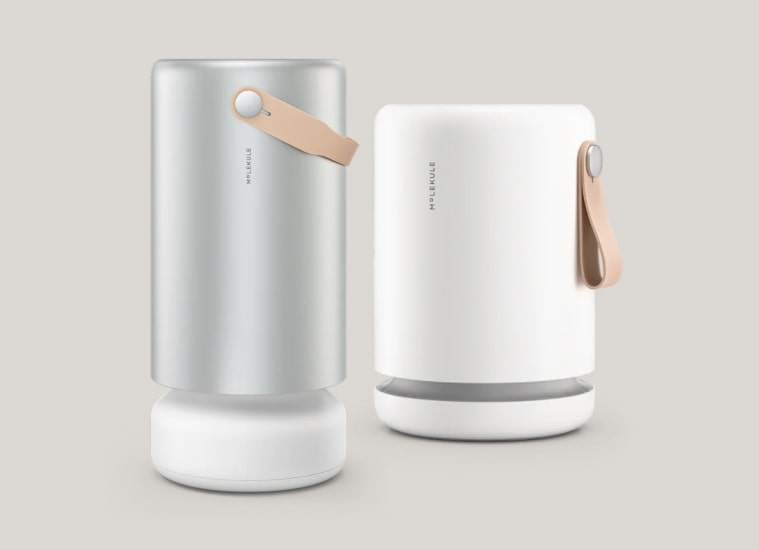
Special Pricing on Air Purifiers Through Molekule Partnership
We have teamed up with Molekule, a leading brand in air purifiers, to provide our patients exclusive discounted pricing on their air purifiers. Access our dedicated link to view these special rates.
The discounted price will be clearly visible during the checkout process, before entering your credit card information. This way, you'll know exactly how much you're saving before finalizing your purchase.
Click hereCopyright © 2026 Allergy, Asthma, and Immunology Medical Group.
All Rights Reserved.
451 W. Gonzales Rd, Suite 150, Oxnard, CA 93030 | 805-658-9500
23928 Lyons Avenue, Suite 208, Newhall, CA 91321 | 805-658-9500
3801 Las Posas Road, Suite 211, Camarillo, CA 93010 | 805-658-9500
