


Recognizing Immune Deficiency and Its Connection to Recurrent Infections

If you seem to catch every cold, sinus infection, or respiratory illness that comes around—and it takes longer than usual to recover—it may be more than bad luck. Some people have an underlying immune deficiency, meaning their immune system does not respond properly to infections or allergens. At Allergy, Asthma, and Immunology Medical Group, we evaluate and treat immune deficiency to help patients build stronger defenses, reduce illness frequency, and improve overall quality of life.
What Is Immune Deficiency?
Immune deficiency occurs when the immune system does not produce enough antibodies or respond normally to viruses, bacteria, or allergens. This makes it harder to fight off common illnesses, leading to frequent, lingering, or unusually severe infections.
Common Signs You May Have an Immune Deficiency
Patients are often surprised to learn their ongoing symptoms may be related to a weakened immune system. Signs may include:
- Frequent sinus, ear, or lung infections
- Symptoms that return shortly after treatment
- Antibiotics that seem less effective
- Infections that last longer than expected
- Recurrent bronchitis, pneumonia, or strep throat
If these symptoms sound familiar, testing may help reveal the underlying cause.
How Immune Deficiency Affects Allergies and Asthma
Immune deficiency does not only impact infection risk. It can also influence allergic and respiratory conditions. When the immune system is not functioning properly, your body may react more strongly to allergens or have difficulty healing after inflammation.
- Increased allergy sensitivity
- More severe asthma symptoms
- Delayed healing of inflamed or irritated tissues
- Higher risk of sinusitis and nasal polyps
This is why patients with chronic allergies or asthma are sometimes evaluated for immune deficiency.
How We Diagnose Immune Deficiency
At Allergy, Asthma, and Immunology Medical Group, we use advanced testing to determine how well your immune system is functioning. This helps us understand the type and severity of the deficiency.
- Blood tests to measure antibody levels
- Evaluation of vaccine response
- Review of infection frequency and severity
- Allergy and respiratory function testing
- Rhinoscopy to look for sinus inflammation or polyps
This information allows us to create the most effective treatment plan for your needs.
Treatment Options for Immune Deficiency
While not all immune deficiencies can be cured, they can often be managed effectively with specialized treatment. Treatment may include:
- Immunoglobulin replacement therapy
- Vaccinations to support immune function
- Preventive medications to reduce infection risk
- Allergy and asthma management to reduce inflammation
- Guidance on lifestyle and environmental protections
The goal is to help your immune system work more efficiently and protect your overall health.
When to Seek Help
If you struggle with frequent or unusually severe infections, or if your allergy and asthma symptoms are not responding to treatment as expected, immune deficiency may be a contributing factor. At Allergy, Asthma, and Immunology Medical Group, we provide expert evaluation and personalized treatment to help you stay healthier and feel better year-round.
Call 805-658-9500 today to schedule your consultation and take the first step toward stronger protection and better health.



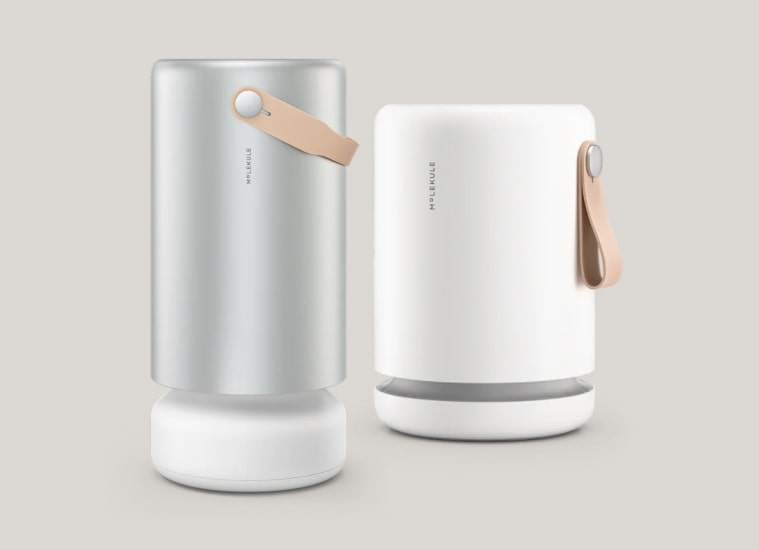
Special Pricing on Air Purifiers Through Molekule Partnership
We have teamed up with Molekule, a leading brand in air purifiers, to provide our patients exclusive discounted pricing on their air purifiers. Access our dedicated link to view these special rates.
The discounted price will be clearly visible during the checkout process, before entering your credit card information. This way, you'll know exactly how much you're saving before finalizing your purchase.
Click hereCopyright © 2026 Allergy, Asthma, and Immunology Medical Group.
All Rights Reserved.
451 W. Gonzales Rd, Suite 150, Oxnard, CA 93030 | 805-658-9500
23928 Lyons Avenue, Suite 208, Newhall, CA 91321 | 805-658-9500
3801 Las Posas Road, Suite 211, Camarillo, CA 93010 | 805-658-9500
