


Managing Allergies During Pregnancy: What Expecting Mothers Need to Know
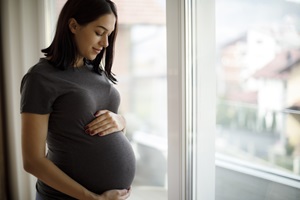
Pregnancy is a time of exciting changes, but it can also bring new challenges, especially for women who suffer from allergies. During pregnancy, hormonal changes can heighten sensitivity to allergens, and certain allergy medications may not be safe for expectant mothers. Navigating allergies during pregnancy requires extra care to ensure both the health of the mother and the baby. In this blog post, we’ll discuss how pregnancy can affect allergies, how to manage symptoms safely, and the best treatment options for pregnant women.
How Pregnancy Affects Allergies
Pregnancy causes hormonal fluctuations, which can impact how your body reacts to allergens. Some women experience more severe allergy symptoms during pregnancy, while others may find that their symptoms improve due to hormonal changes. However, managing allergies becomes trickier when considering what is safe for both you and your baby.
Common allergic conditions like hay fever, eczema, and asthma can worsen during pregnancy. Symptoms such as nasal congestion, sneezing, and coughing may interfere with sleep, daily activities, and overall comfort.
Safe Allergy Management During Pregnancy
- Consult Your Doctor: Always consult your healthcare provider before taking any medication during pregnancy. They can help you determine which allergy medications are safe to use and which should be avoided.
- Nasal Saline Sprays: Nasal saline sprays are a safe, non-medicated option for relieving nasal congestion during pregnancy. They help rinse allergens and mucus from the nasal passages, providing relief without the use of medication.
- Avoid Common Triggers: Take steps to reduce exposure to common allergens. For example, if you have pollen allergies, avoid outdoor activities during peak pollen times. If dust mites are a trigger, use allergen-proof covers on pillows and mattresses.
- Use Safe Antihistamines: Some antihistamines are considered safe during pregnancy. Your doctor may recommend an allergy-safe antihistamine, such as loratadine or cetirizine, which have minimal side effects. Always consult your doctor before starting any medication.
- Practice Good Air Quality Management: Maintain good indoor air quality by using air purifiers, keeping windows closed during high pollen seasons, and avoiding tobacco smoke and other environmental pollutants. Ensure proper ventilation in your home to reduce mold and mildew buildup.
- Monitor Asthma Symptoms: Pregnant women with asthma should monitor their symptoms closely. Untreated asthma can cause complications, so it’s crucial to keep asthma under control using a safe medication plan prescribed by your healthcare provider.
Safe and Effective Allergy Management for Expecting Mothers
Managing allergies during pregnancy requires careful consideration and proper medical guidance. By working with your healthcare provider to find safe treatment options, you can manage your symptoms effectively while ensuring the health of both you and your baby. If you need support or advice on managing allergies during pregnancy, contact Allergy, Asthma, and Immunology Medical Group at 805-658-9500. Our team is dedicated to providing safe and effective solutions for expecting mothers.



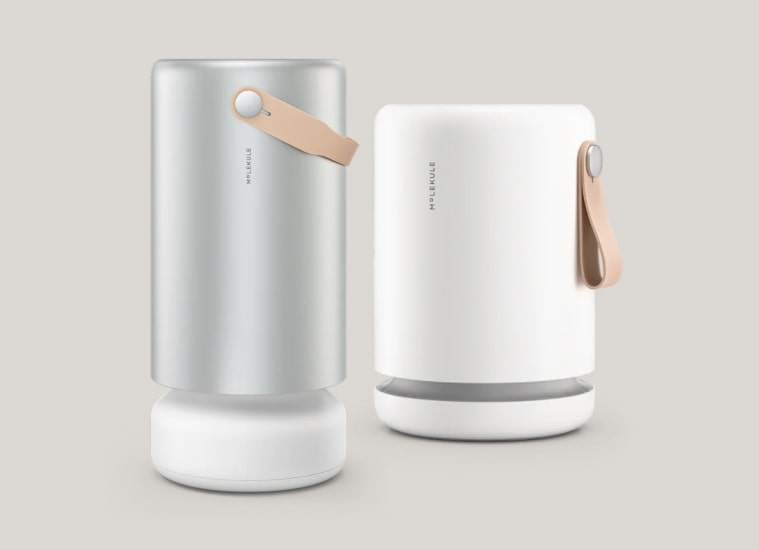
Special Pricing on Air Purifiers Through Molekule Partnership
We have teamed up with Molekule, a leading brand in air purifiers, to provide our patients exclusive discounted pricing on their air purifiers. Access our dedicated link to view these special rates.
The discounted price will be clearly visible during the checkout process, before entering your credit card information. This way, you'll know exactly how much you're saving before finalizing your purchase.
Click hereCopyright © 2026 Allergy, Asthma, and Immunology Medical Group.
All Rights Reserved.
451 W. Gonzales Rd, Suite 150, Oxnard, CA 93030 | 805-658-9500
23928 Lyons Avenue, Suite 208, Newhall, CA 91321 | 805-658-9500
3801 Las Posas Road, Suite 211, Camarillo, CA 93010 | 805-658-9500
