


How Allergies Can Affect Your Sleep: Tips for Better Rest
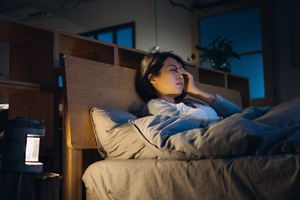
For many individuals with allergies, a good night’s sleep can be hard to come by. Allergies, whether from pollen, dust mites, pet dander, or mold, can trigger symptoms that make it difficult to relax and fall asleep. From nasal congestion to itchy eyes and sneezing, allergy symptoms can significantly affect the quality of your rest. In this blog post, we’ll explore how allergies interfere with sleep and offer tips on managing symptoms so you can enjoy better rest.
How Allergies Affect Your Sleep
When you suffer from allergies, your body responds to allergens as if they were harmful invaders, causing inflammation and irritation in the nasal passages, sinuses, and airways. This can lead to symptoms like:
- Nasal Congestion: Blocked airways make it difficult to breathe comfortably while lying down, leading to poor sleep quality.
- Coughing: Postnasal drip, caused by excess mucus from allergies, often leads to coughing, which disrupts sleep.
- Itchy Eyes and Skin: Allergies can cause itching in the eyes and skin, making it harder to fall asleep or stay asleep.
- Snoring: Allergies can cause inflammation in the throat, leading to snoring and difficulty breathing through the night.
The lack of restful sleep can also exacerbate allergy symptoms, creating a vicious cycle.
5 Tips for Better Sleep When You Have Allergies
Keep Your Bedroom Allergen-Free: Remove or reduce allergens in your bedroom by washing your sheets and pillowcases in hot water regularly. Consider using allergen-proof covers on pillows and mattresses to protect yourself from dust mites. If possible, keep pets out of the bedroom to avoid pet dander.
- Use Air Purifiers: A HEPA air purifier can help remove allergens like dust, pollen, and pet dander from the air, improving the air quality in your bedroom and reducing nighttime allergy symptoms.
- Take Allergy Medications Before Bed: Consider taking antihistamines or other allergy medications before bedtime to relieve symptoms. Consult your allergist to find the right treatment for you and to ensure it doesn’t interfere with your sleep.
- Sleep with Your Head Elevated: Sleeping with your head elevated can help relieve nasal congestion and prevent postnasal drip. Use extra pillows or a wedge pillow to raise your upper body while sleeping.
- Shower Before Bed: Taking a warm shower before bed can help rinse away allergens that may have accumulated on your body throughout the day, reducing the amount of pollen, dust, or pet dander in your bedding.
- Limit Exposure to Allergens Before Bed: Avoid going outside during peak pollen times or in areas with high levels of pollution before bed. Make sure to wash your hands and face to remove any allergens before getting into bed.
Rest Easy: Managing Allergies for Better Sleep
Getting a good night’s sleep is essential for your overall health, and managing your allergies is a key part of achieving better rest. By following these tips and managing your symptoms effectively, you can improve your sleep quality and wake up feeling refreshed. If you’re struggling with allergy-related sleep issues, reach out to Allergy, Asthma, and Immunology Medical Group at 805-658-9500 for personalized guidance and treatment options.



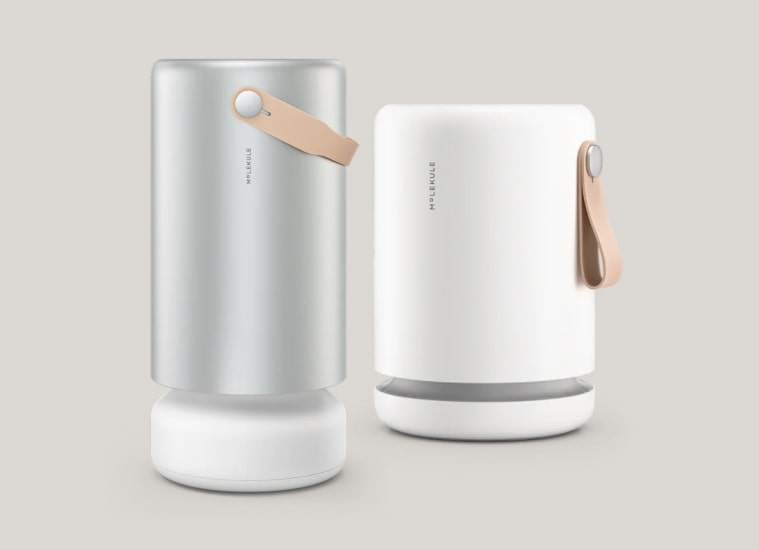
Special Pricing on Air Purifiers Through Molekule Partnership
We have teamed up with Molekule, a leading brand in air purifiers, to provide our patients exclusive discounted pricing on their air purifiers. Access our dedicated link to view these special rates.
The discounted price will be clearly visible during the checkout process, before entering your credit card information. This way, you'll know exactly how much you're saving before finalizing your purchase.
Click hereCopyright © 2026 Allergy, Asthma, and Immunology Medical Group.
All Rights Reserved.
451 W. Gonzales Rd, Suite 150, Oxnard, CA 93030 | 805-658-9500
23928 Lyons Avenue, Suite 208, Newhall, CA 91321 | 805-658-9500
3801 Las Posas Road, Suite 211, Camarillo, CA 93010 | 805-658-9500
