

Managing Milk Allergies in Children
Learn how to ensure healthy nutrition in a child with a milk allergy.
 If your child suffers from a milk allergy, naturally you will be very concerned about protecting him or her from exposure to milk proteins that could cause uncomfortable or even dangerous allergic reactions. This is of course very important, as exposure to food allergens can present a risk of anaphylactic shock in some individuals. However, it is also essential to consider the impact of the milk allergy on your child’s nutrition and development.
According to a study recently published in The Journal of Allergy and Clinical Immunology, children who suffer from milk allergies tend to consume lesser amounts of key nutrients and may not grow as steadily as their peers.
The study looked at 6,189 children between the ages of 2 and 17, and found that children with milk allergies had lower Vitamin D levels, lower calorie intake, and significantly lower average weight, height, and BMI profiles than other children. Interestingly, this same result was not found in children with other types of food allergies.
What to Do About a Suspected Milk Allergy
- Stop providing milk or dairy. Milk allergies are actually not terribly common among children. For example, in the study referenced above only 6.3 percent of participants had a food allergy and 1.1 percent had a cow milk allergy. However, this does not mean you want to take any chances with your child. If allergy symptoms of any kind are experienced after consuming milk or milk products, stop providing the child with these foods.
- Visit an allergist for food allergy testing. The best way to confirm the existence of a milk allergy is to visit an allergy doctor for food allergy testing. At Allergy, Asthma, & Immunology Medical Group, we can use skin prick testing, blood tests, or trial elimination diets to check for milk allergies as well as for other food allergies.
- Get other allergy tests. Children with one food allergy are not only likely to have other food allergies, they are 2 to 4 times more likely to have allergic asthma. This makes it very important to get a complete range of allergy testing—not just food allergy testing—for a child with a suspected milk allergy.
- Follow your doctor’s recommendations for allergy management. If a milk allergy is confirmed, you will want to follow your allergy doctor’s instructions and recommendations carefully to protect your child from suffering future allergic reactions. You may be given advice on how to read food labels to maintain a milk-free diet as well as medications that may help address some symptoms commonly associated with allergic reactions.
- Ensure proper nutrition. Finally, you will need to take special care to ensure your child is getting all the nutrition that a non-allergic child would normally get from milk. You may wish to consult with a nutritionist about the possibility of supplementing calcium and Vitamin D, or for a list of foods high in these nutrients that you may be able to work into your child’s diet naturally.



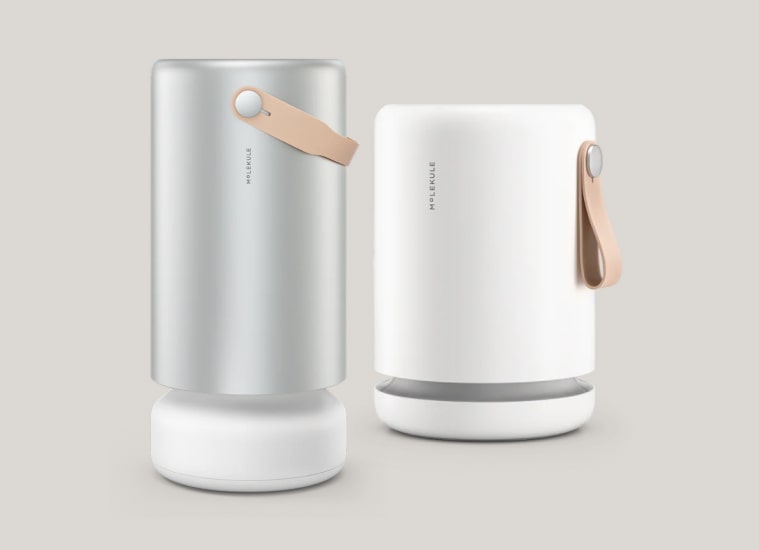
Special Pricing on Air Purifiers Through Molekule Partnership
We have teamed up with Molekule, a leading brand in air purifiers, to provide our patients exclusive discounted pricing on their air purifiers. Access our dedicated link to view these special rates.
The discounted price will be clearly visible during the checkout process, before entering your credit card information. This way, you'll know exactly how much you're saving before finalizing your purchase.
Click hereCopyright © 2026 Allergy, Asthma, and Immunology Medical Group.
All Rights Reserved.
451 W. Gonzales Rd, Suite 150, Oxnard, CA 93030 | 805-658-9500
23928 Lyons Avenue, Suite 208, Newhall, CA 91321 | 805-658-9500
3801 Las Posas Road, Suite 211, Camarillo, CA 93010 | 805-658-9500
