


Nasal Polyps and Sinusitis: What’s the Connection?
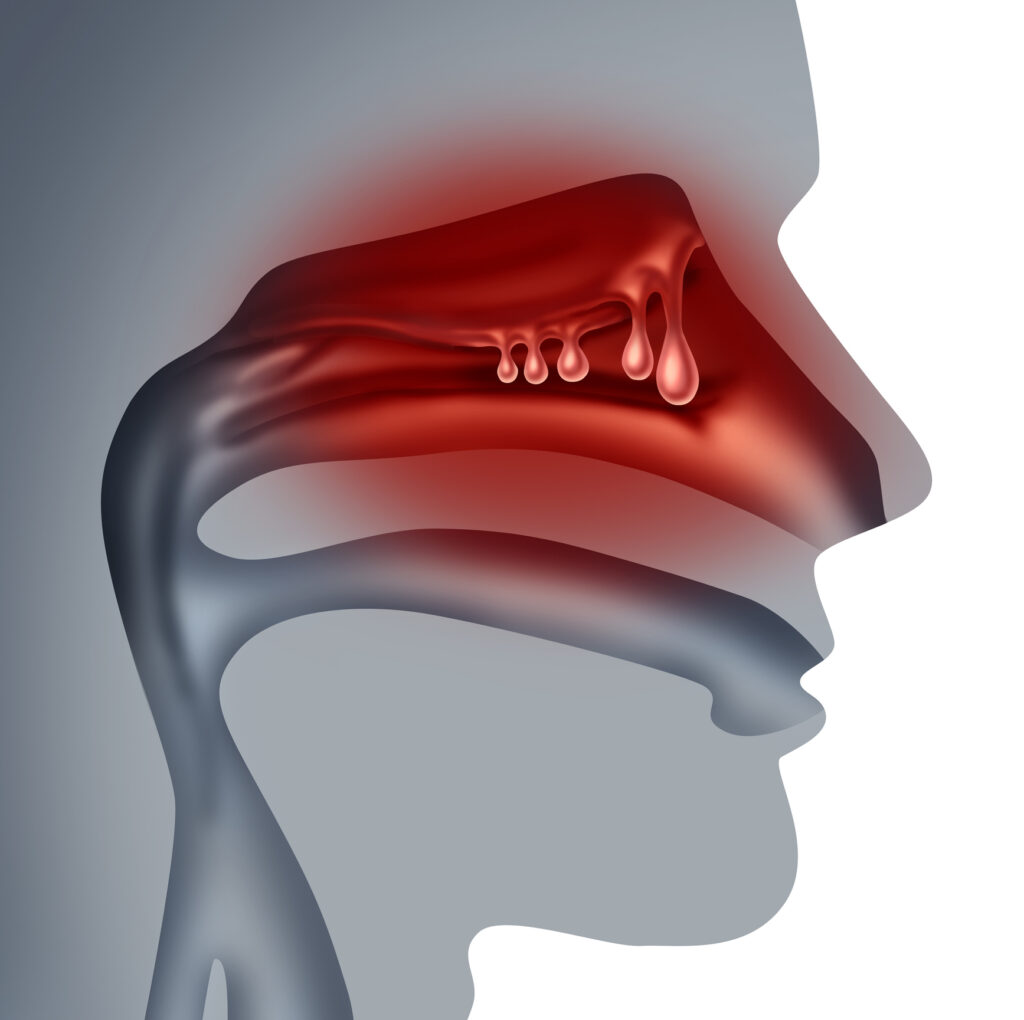
If you’ve been dealing with a stuffy nose that never seems to clear up, frequent sinus infections, or a reduced sense of smell, you may be living with more than just a common sinus problem. For many people, nasal polyps and sinusitis go hand in hand — and understanding the connection between the two is the first step toward finding real, lasting relief.
What Are Nasal Polyps?
Nasal polyps are soft, noncancerous growths that develop along the lining of the nasal passages or sinuses. They form as a result of chronic inflammation and are often associated with allergies, asthma, and immune system conditions. Small polyps may not cause any noticeable symptoms, but when they grow larger or develop in clusters, they can block airflow and interfere with normal sinus drainage.
Common signs of nasal polyps include persistent nasal congestion, a reduced or absent sense of smell, postnasal drip, facial pressure or pain, and frequent sinus infections. Because these symptoms overlap so closely with other conditions, nasal polyps are often mistaken for a stubborn cold or seasonal allergies.
How Sinusitis Fits In
Sinusitis is an inflammation of the sinuses that can be triggered by infections, allergies, or structural issues in the nasal passages. When nasal polyps are present, they can block the sinus drainage pathways, making it much easier for bacteria and mucus to build up. This creates the perfect conditions for sinusitis to develop or persist.
Chronic sinusitis — defined as sinus inflammation lasting 12 weeks or longer — is one of the most common conditions associated with nasal polyps. In fact, many patients with chronic sinusitis are eventually found to have polyps contributing to their symptoms. The two conditions tend to feed each other, with ongoing inflammation encouraging polyp growth and polyp-related blockages worsening sinus problems.
Who Is at Risk?
Nasal polyps can affect anyone, but they are most common in adults and are more frequently seen in people who have asthma, chronic allergic rhinitis, or sensitivities to aspirin and nonsteroidal anti-inflammatory drugs. Conditions like eosinophilic esophagitis and immune deficiencies can also increase the risk of developing polyps.
If you find yourself cycling through repeated courses of antibiotics for sinus infections without lasting improvement, it may be time to look deeper at what is driving your symptoms.
Diagnosing and Treating Nasal Polyps
At Allergy, Asthma, and Immunology Medical Group, our physicians use advanced diagnostic tools, including rhinoscopy, to get a clear view of your nasal passages, sinus drainage areas, and the back of your throat. This allows us to identify polyps and assess the extent of any related sinus involvement — information that is essential for building an effective treatment plan.
Treatment options vary depending on the severity of your symptoms and the underlying causes driving inflammation. Nasal corticosteroid sprays are often a first-line option and can help shrink smaller polyps over time. For patients with allergic triggers, allergy testing and immunotherapy may address the root cause of chronic inflammation. In more advanced cases, biologic medications that target specific immune pathways may also play a role in reducing polyp recurrence.
Take the Next Step Toward Relief
Living with nasal polyps and chronic sinusitis does not have to be your normal. The physicians at Allergy, Asthma, and Immunology Medical Group take a comprehensive approach to care, treating not just your symptoms but the underlying conditions that contribute to them. Call us today at 805-658-9500 to schedule an appointment and find out what is really behind your sinus struggles.



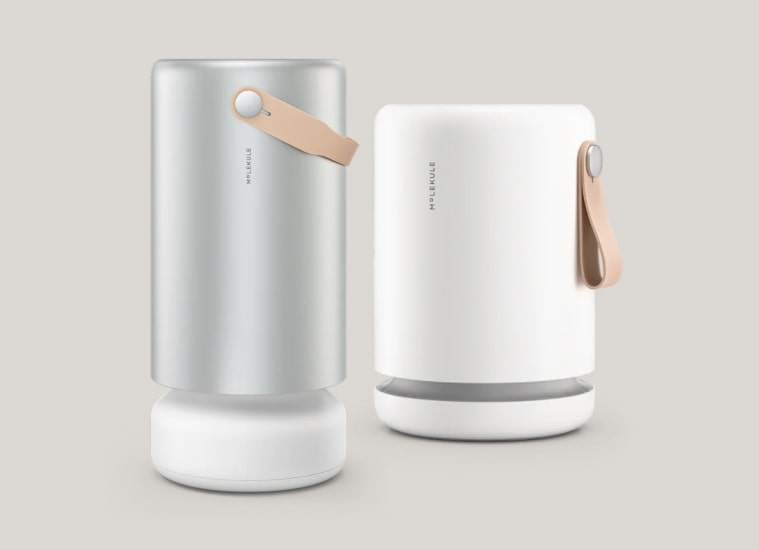
Special Pricing on Air Purifiers Through Molekule Partnership
We have teamed up with Molekule, a leading brand in air purifiers, to provide our patients exclusive discounted pricing on their air purifiers. Access our dedicated link to view these special rates.
The discounted price will be clearly visible during the checkout process, before entering your credit card information. This way, you'll know exactly how much you're saving before finalizing your purchase.
Click hereCopyright © 2026 Allergy, Asthma, and Immunology Medical Group.
All Rights Reserved.
451 W. Gonzales Rd, Suite 150, Oxnard, CA 93030 | 805-658-9500
23928 Lyons Avenue, Suite 208, Newhall, CA 91321 | 805-658-9500
3801 Las Posas Road, Suite 211, Camarillo, CA 93010 | 805-658-9500
