


Eosinophilic Asthma Explained: Why Targeted Treatment Can Make a Difference
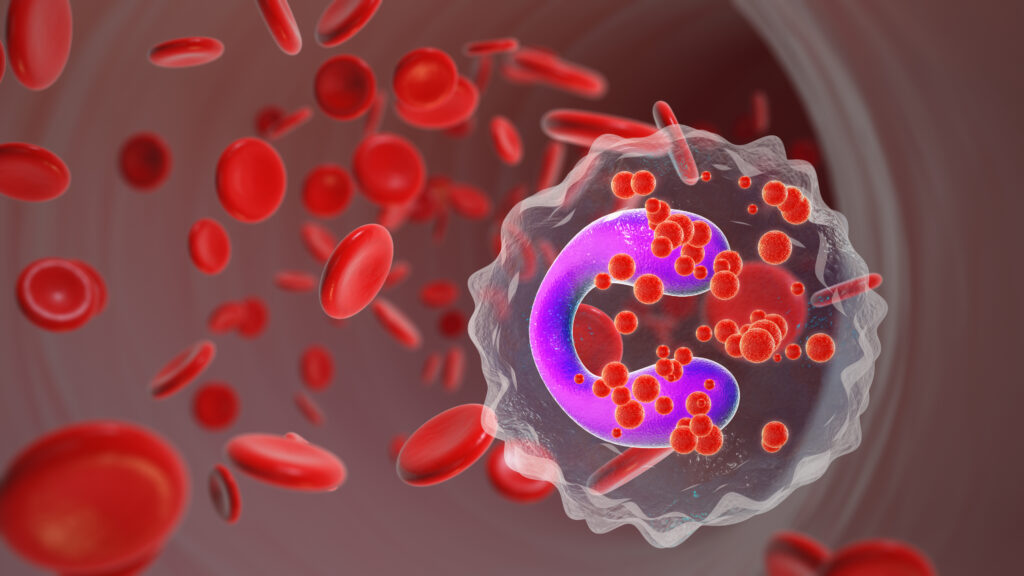
Asthma is not a one-size-fits-all condition. While many patients respond well to standard inhalers and allergy medications, others continue to experience persistent symptoms despite following their treatment plan. In some cases, the underlying issue may be eosinophilic asthma—a specific subtype driven by elevated levels of eosinophils in the blood and airways.
At Allergy, Asthma, and Immunology Medical Group, we provide comprehensive testing and advanced treatment options for patients whose asthma remains difficult to control.
What Is Eosinophilic Asthma?
Eosinophilic asthma is characterized by high levels of eosinophils, a type of white blood cell involved in immune system activity. When too many eosinophils accumulate in the airways, they contribute to chronic inflammation and increased airway sensitivity.
This ongoing inflammation can lead to:
- Frequent asthma attacks
- Persistent coughing
- Wheezing and chest tightness
- Shortness of breath
- Reduced lung function over time
Unlike traditional allergic asthma, eosinophilic asthma is not always triggered by obvious environmental allergens. Many patients experience symptoms even without clear exposure to pollen, dust, or pet dander.
How Is It Different from Allergic Asthma?
Allergic asthma typically develops in response to specific triggers. Once those triggers are identified and managed, symptoms may improve significantly. Eosinophilic asthma, however, is driven more by internal immune inflammation than external allergens.
Patients with eosinophilic asthma often:
- Develop symptoms in adulthood
- Experience ongoing inflammation despite inhaled corticosteroids
- Require multiple courses of oral steroids
- Notice limited improvement with standard asthma therapies
Because symptoms can overlap with other forms of asthma, proper testing is essential to identify the underlying cause.
How Is Eosinophilic Asthma Diagnosed?
Diagnosing eosinophilic asthma involves more than reviewing symptoms. Physicians may recommend:
- Blood testing to measure eosinophil levels
- Pulmonary function testing to evaluate airflow
- A detailed review of asthma history and medication response
Elevated eosinophil counts, combined with persistent symptoms, may indicate that targeted therapy is appropriate.
At Allergy, Asthma, and Immunology Medical Group, we rely on the latest scientific research and evidence-based guidelines to determine whether a patient’s asthma falls into this subtype.
Targeted Treatments That Address the Root Cause
For patients with moderate to severe eosinophilic asthma, biologic medications can provide highly targeted treatment. These FDA-approved therapies are designed to interfere with specific immune pathways that lead to eosinophil production and inflammation.
Treatment options may include:
- NUCALA
- FASENRA
- CINQAIR
These medications are typically administered by injection and used in combination with standard inhalers. Clinical studies show that targeted biologics may:
- Reduce severe asthma attacks
- Improve overall lung function
- Decrease reliance on oral steroids
- Improve day-to-day symptom control
Because these therapies focus on the underlying immune mechanism, they can be especially beneficial for patients who have not achieved adequate control with conventional treatment alone.
When to Seek Further Evaluation
If you are using your rescue inhaler frequently, waking at night due to asthma symptoms, or requiring repeated steroid treatments, it may be time to explore whether eosinophilic asthma is contributing to your condition.
Early identification allows for a more personalized treatment strategy that may significantly improve quality of life and long-term respiratory health.
To schedule a comprehensive asthma evaluation, contact Allergy, Asthma, and Immunology Medical Group at 805-658-9500. Our experienced physicians provide advanced testing and individualized treatment plans designed to help you breathe easier and regain confidence in managing your asthma.



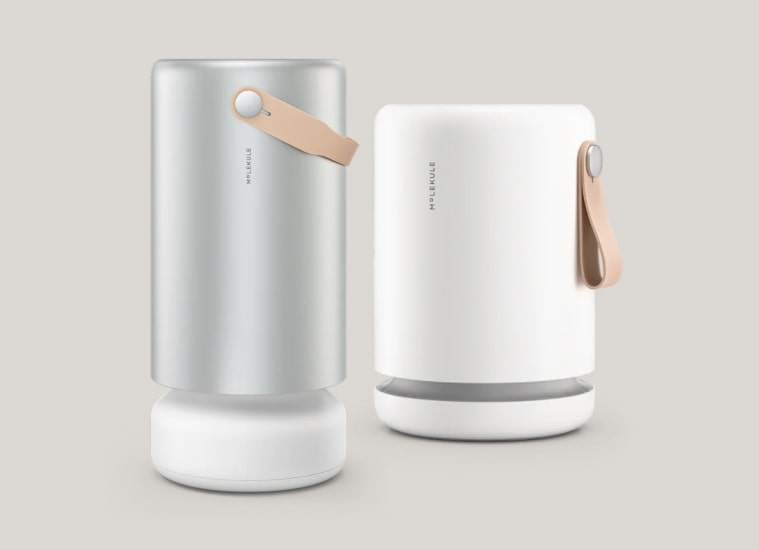
Special Pricing on Air Purifiers Through Molekule Partnership
We have teamed up with Molekule, a leading brand in air purifiers, to provide our patients exclusive discounted pricing on their air purifiers. Access our dedicated link to view these special rates.
The discounted price will be clearly visible during the checkout process, before entering your credit card information. This way, you'll know exactly how much you're saving before finalizing your purchase.
Click hereCopyright © 2026 Allergy, Asthma, and Immunology Medical Group.
All Rights Reserved.
451 W. Gonzales Rd, Suite 150, Oxnard, CA 93030 | 805-658-9500
23928 Lyons Avenue, Suite 208, Newhall, CA 91321 | 805-658-9500
3801 Las Posas Road, Suite 211, Camarillo, CA 93010 | 805-658-9500
