


What Pulmonary Function Testing Reveals About Your Breathing Health

Breathing problems don’t always show up in obvious ways. Many patients live with symptoms like chest tightness, shortness of breath, or exercise intolerance for years without realizing a chronic condition may be developing. Pulmonary function testing (PFT) offers one of the most accurate ways to evaluate how well your lungs are working and whether asthma, allergies, or other respiratory conditions are affecting your daily life. At Allergy, Asthma, and Immunology Medical Group, we use advanced pulmonary testing to diagnose concerns early and guide effective treatment plans tailored to each patient.
Many respiratory conditions share similar symptoms, which makes proper testing essential. PFT provides objective, measurable insights into how your lungs move air in and out—giving our physicians the information needed to identify problems that might otherwise go unnoticed.
Signs You May Benefit from Pulmonary Function Testing
Pulmonary function testing isn’t only for individuals with known asthma. It’s also recommended when patients experience symptoms such as:
- Frequent shortness of breath
- Wheezing or noisy breathing
- Chronic coughing
- Chest tightness
- Fatigue during light activity
- Difficulty taking a deep breath
These symptoms may stem from allergies, asthma, airway inflammation, or other conditions that require specific treatments. PFT allows Allergy, Asthma, and Immunology Medical Group to pinpoint the cause with precision.
How Pulmonary Function Testing Works
PFT consists of several noninvasive tests that measure lung volume, airflow, and respiratory efficiency. These tests may include spirometry, lung volume measurements, and airflow resistance assessments.
During spirometry—the most common PFT test—you breathe into a specialized device that records how quickly and how much air you can inhale and exhale. This provides valuable information on whether your airways are narrowed or restricted. Patients with asthma, for example, may show decreased airflow that improves after using a bronchodilator.
The entire process is safe, quick, and comfortable, making it ideal for both initial diagnosis and ongoing monitoring.
Why Pulmonary Function Testing Is Essential for Asthma Management
Asthma symptoms can fluctuate day to day, but PFT gives a clear picture of your long-term lung health. These tests help our physicians:
- Confirm an asthma diagnosis
- Determine the severity of the condition
- Measure how well current medications are working
- Adjust treatment plans for better control
- Identify early signs of worsening lung function
This data-driven approach helps patients avoid flare-ups, emergency room visits, and unnecessary changes in medication.
Testing Helps Identify More Than Just Asthma
While PFT is crucial for asthma care, it can also uncover:
- Vocal cord dysfunction
- Airway inflammation caused by allergies
- Chronic bronchitis
- Long-term effects of untreated sinus or respiratory issues
- Restrictive lung patterns linked to certain immune conditions
Because Allergy, Asthma, and Immunology Medical Group treats a full spectrum of allergic and respiratory conditions, pulmonary testing plays a central role in creating accurate diagnoses.
Schedule Pulmonary Function Testing With Allergy, Asthma, and Immunology Medical Group
If you’ve noticed breathing changes, persistent respiratory symptoms, or trouble managing asthma, pulmonary function testing can provide clarity. The physicians at Allergy, Asthma, and Immunology Medical Group offer expert interpretation and personalized treatment plans that help you breathe easier and stay healthier. Call 805-658-9500 today to schedule an appointment and take the first step toward better respiratory wellness.



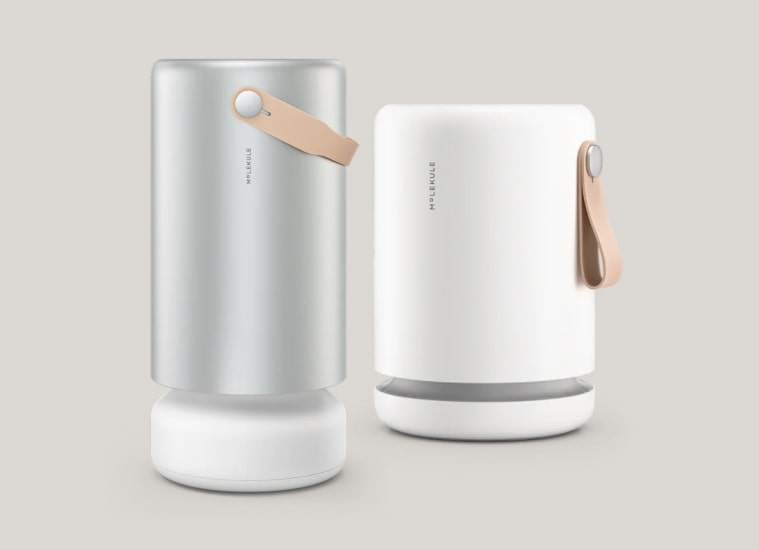
Special Pricing on Air Purifiers Through Molekule Partnership
We have teamed up with Molekule, a leading brand in air purifiers, to provide our patients exclusive discounted pricing on their air purifiers. Access our dedicated link to view these special rates.
The discounted price will be clearly visible during the checkout process, before entering your credit card information. This way, you'll know exactly how much you're saving before finalizing your purchase.
Click hereCopyright © 2026 Allergy, Asthma, and Immunology Medical Group.
All Rights Reserved.
451 W. Gonzales Rd, Suite 150, Oxnard, CA 93030 | 805-658-9500
23928 Lyons Avenue, Suite 208, Newhall, CA 91321 | 805-658-9500
3801 Las Posas Road, Suite 211, Camarillo, CA 93010 | 805-658-9500
