


Finding Relief from Chronic Hives with Biologic Therapy
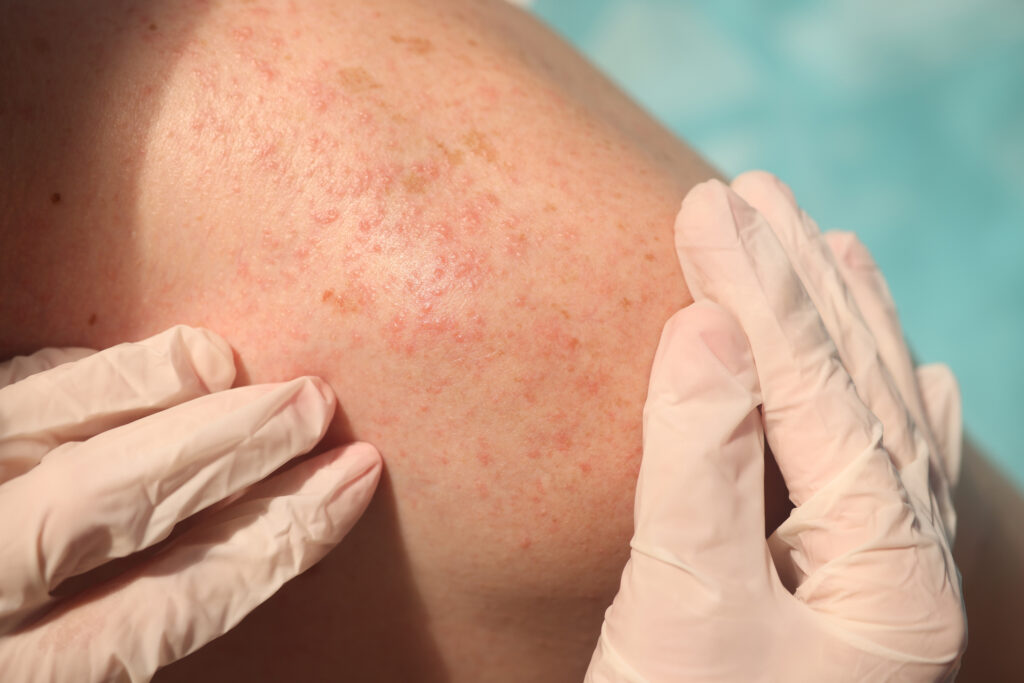
For people living with chronic hives, every day can bring uncertainty. The sudden appearance of itchy, raised welts—sometimes lasting for weeks or months—can make sleep, work, and social life difficult. When over-the-counter antihistamines stop working, many patients feel out of options. Fortunately, biologic therapy offers a new and effective way to control this stubborn condition. At Allergy, Asthma, and Immunology Medical Group, our specialists help patients find lasting relief through advanced biologic treatments tailored to their unique immune responses.
Understanding Chronic Hives
Chronic hives, also known as chronic idiopathic urticaria, are hives that persist for six weeks or longer without a clear cause. Unlike allergic reactions that occur after a known exposure, chronic hives often arise spontaneously. The condition happens when the immune system releases histamine and other chemicals into the skin, causing redness, swelling, and itching.
Triggers can include:
- Stress or illness
- Changes in temperature
- Certain foods or medications
- Pressure or friction on the skin
For many people, however, no specific trigger is ever found—which makes treatment frustrating and unpredictable.
Why Standard Treatments Sometimes Fall Short
Antihistamines are the first line of defense for hives, but some cases don’t respond to them. In severe or long-term cases, steroids or immune-suppressing medications may be prescribed—but these can come with side effects when used for extended periods.
That’s where biologic therapy changes the game. Rather than suppressing the entire immune system, biologics target the specific pathways responsible for chronic inflammation. This precision makes them both effective and safer for long-term use.
How Biologics Help Control Chronic Hives
Biologic medications work by interfering with the immune signals that cause hives to form. The most commonly prescribed biologic for chronic hives is XOLAIR (omalizumab), an FDA-approved injectable treatment for adults and children aged 12 and older who haven’t responded to antihistamines.
Here’s what makes biologic therapy so effective:
- Targeted action: It blocks the IgE antibodies that drive allergic inflammation.
- Symptom reduction: Many patients experience less itching and fewer flare-ups within weeks.
- Improved quality of life: With consistent treatment, hives often become milder or disappear entirely.
At Allergy, Asthma, and Immunology Medical Group, patients receive personalized care plans that include regular monitoring to ensure the best possible outcome.
What to Expect During Treatment
Biologic therapy is typically administered as an injection in the office once every two to four weeks. The treatment is quick, and most patients can return to normal activities immediately afterward. Side effects are rare and usually mild, such as temporary redness or swelling at the injection site.
Over time, as the immune response stabilizes, flare-ups become less frequent and less severe. For many, biologics mean finally regaining control over their skin—and their life.
The Benefits of Choosing Allergy, Asthma, and Immunology Medical Group for Hives Management
At Allergy, Asthma, and Immunology Medical Group, our board-certified allergists and immunologists combine decades of experience with cutting-edge treatments like XOLAIR to deliver results you can see and feel. We provide:
- Comprehensive evaluation to confirm chronic urticaria diagnosis
- Access to the latest biologic therapies
- Expert monitoring to ensure safety and effectiveness
- Compassionate care that focuses on long-term comfort and confidence
Our goal is to help every patient live free from the constant discomfort and anxiety that chronic hives can cause.
Take Control of Your Skin and Your Comfort
If you’ve been struggling with chronic hives that don’t respond to medication, biologic therapy may offer the breakthrough you’ve been waiting for. Contact Allergy, Asthma, and Immunology Medical Group today at 805-658-9500 to schedule a consultation and learn how targeted treatment can help you achieve lasting relief and healthier skin.



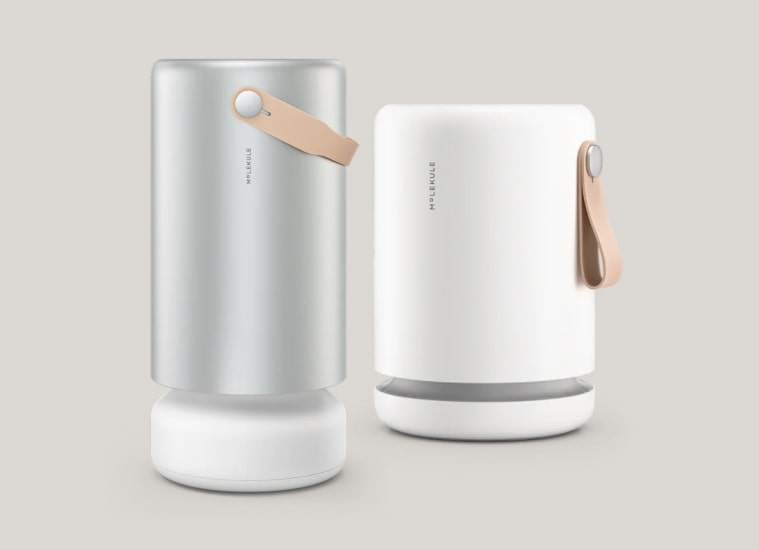
Special Pricing on Air Purifiers Through Molekule Partnership
We have teamed up with Molekule, a leading brand in air purifiers, to provide our patients exclusive discounted pricing on their air purifiers. Access our dedicated link to view these special rates.
The discounted price will be clearly visible during the checkout process, before entering your credit card information. This way, you'll know exactly how much you're saving before finalizing your purchase.
Click hereCopyright © 2026 Allergy, Asthma, and Immunology Medical Group.
All Rights Reserved.
451 W. Gonzales Rd, Suite 150, Oxnard, CA 93030 | 805-658-9500
23928 Lyons Avenue, Suite 208, Newhall, CA 91321 | 805-658-9500
3801 Las Posas Road, Suite 211, Camarillo, CA 93010 | 805-658-9500
