


Managing Allergies in the Heat: Tips for Staying Comfortable During Summer

As the temperatures rise and summer kicks into full swing, allergy sufferers often find themselves facing a unique set of challenges. The warm weather brings an abundance of allergens, from pollen to mold spores, which can worsen allergy symptoms. Heat can also dry out the air, making breathing harder and irritating sensitive airways. But that doesn’t mean you have to spend the summer indoors. With a few simple strategies, you can manage your allergies and stay comfortable during the hottest months. In this blog post, we’ll share tips for managing your allergies in the heat and enjoying all that summer has to offer.
Why Summer Can Be Challenging for Allergy Sufferers
Summer is a peak season for allergens like pollen, mold, and dust mites. For many, allergies become more pronounced due to the following:
- Pollen:
During the summer months, trees, grasses, and weeds release large amounts of pollen into the air. For individuals with allergic rhinitis or hay fever, this leads to sneezing, congestion, itchy eyes, and other classic allergy symptoms. - Mold:
Warm, humid conditions during summer can promote mold growth, especially in areas like bathrooms, basements, and outdoor spaces with fallen leaves or standing water. Mold spores can trigger allergic reactions when inhaled. - Air Pollution:
Higher temperatures during summer can contribute to elevated levels of air pollution, such as ozone and smog, which can irritate the airways, making allergy symptoms more severe, particularly for those with asthma. - Increased Outdoor Activities:
As the weather gets warmer, many people spend more time outdoors, whether it’s enjoying a barbecue, going for a walk, or playing sports. While outdoor activity is great for your health, it can increase exposure to allergens like pollen, pet dander, and mold spores.
Tips for Managing Allergies During the Summer Heat
- Monitor Pollen Counts and Plan Your Day Accordingly
Pollen levels are highest early in the morning and late afternoon. By checking your local pollen forecast, you can plan your outdoor activities accordingly to minimize exposure. On high pollen days, stay indoors or limit your time outside, particularly during peak pollen hours. You can also keep windows and doors closed to prevent pollen from entering your home. - Use Air Conditioning and Air Purifiers
Air conditioning can help cool down your home, but it also helps filter out allergens from the air. Make sure your air conditioning units have clean filters and consider investing in HEPA air purifiers for your bedroom and living areas. These devices help reduce airborne allergens, making your indoor environment more comfortable during the summer months. - Shower and Change Clothes After Outdoor Activities
After spending time outside, pollen and other allergens can stick to your skin, hair, and clothing. Showering and changing clothes as soon as you come indoors can help remove these allergens and prevent them from affecting you while inside. This simple step can significantly reduce allergic reactions, especially if you’ve been outside for long periods. - Keep Pets Clean
Pets can bring in allergens like pollen on their fur. Make sure to bathe and groom your pets regularly during allergy season to reduce the spread of allergens. If you have a pet that spends time outdoors, it’s a good idea to wipe them down with a damp cloth when they come inside to minimize the transfer of pollen and other allergens. - Stay Hydrated and Use Saline Nasal Sprays
Dehydration can make allergy symptoms worse by drying out your nasal passages and throat. Make sure to drink plenty of water throughout the day to keep your body and airways hydrated. Using a saline nasal spray can also help rinse out pollen and other irritants from your nasal passages, providing relief from congestion. - Wear Sunglasses and a Hat
Protect your eyes from pollen and other irritants by wearing sunglasses when outdoors. A wide-brimmed hat can also help keep pollen out of your hair and face. By limiting your exposure to allergens, you can reduce eye irritation and prevent symptoms like itching and watering. - Take Allergy Medications as Prescribed
If you have been prescribed allergy medications, make sure to take them as directed. Antihistamines, nasal corticosteroids, and decongestants can help reduce symptoms like sneezing, nasal congestion, and itchy eyes. If your symptoms are not well-controlled with over-the-counter medications, consult your healthcare provider about prescription options or allergy shots (immunotherapy). - Opt for Allergy-Friendly Foods
In the summer, some people find that certain foods can worsen their allergy symptoms. For example, fruits like bananas, watermelon, and tomatoes can sometimes trigger oral allergy syndrome (OAS) in individuals with pollen allergies. If you’re sensitive to certain foods, try to avoid them during peak allergy season.
Enjoy the Summer with Allergy Relief in Hand
Managing allergies during the summer heat can be challenging, but with the right strategies in place, you can enjoy the season without the constant discomfort of allergy symptoms. From checking pollen counts to using air purifiers and managing your outdoor activities, these tips can help you breathe easier and feel more comfortable during the hottest months. If you’re struggling with your allergies or need personalized advice on managing them, contact us at Allergy, Asthma, and Immunology Medical Group. Our team of experts is here to provide you with tailored solutions to help you enjoy the best of summer while staying allergy-free. Call us today at 805-658-9500 to schedule an appointment and find relief from your allergy symptoms.



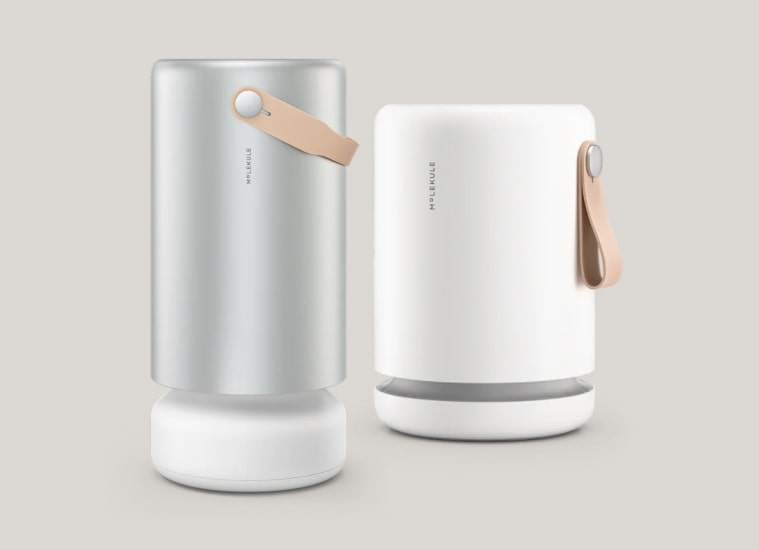
Special Pricing on Air Purifiers Through Molekule Partnership
We have teamed up with Molekule, a leading brand in air purifiers, to provide our patients exclusive discounted pricing on their air purifiers. Access our dedicated link to view these special rates.
The discounted price will be clearly visible during the checkout process, before entering your credit card information. This way, you'll know exactly how much you're saving before finalizing your purchase.
Click hereCopyright © 2026 Allergy, Asthma, and Immunology Medical Group.
All Rights Reserved.
451 W. Gonzales Rd, Suite 150, Oxnard, CA 93030 | 805-658-9500
23928 Lyons Avenue, Suite 208, Newhall, CA 91321 | 805-658-9500
3801 Las Posas Road, Suite 211, Camarillo, CA 93010 | 805-658-9500
