


Causes and Signs of Contact Dermatitis
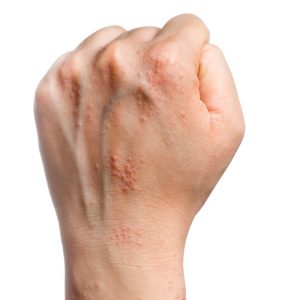
Excess exposure to water or contact with foreign substances can sometimes trigger inflamed, itchy, and red skin. This is called contact dermatitis, and while most cases aren’t severe, they’re supremely unpleasant while the itching is present. To best avoid experiencing this, it’s important to know the main causes of contact dermatitis and the leading signs to look out for.
Types of Contact Dermatitis
There are three types of contact dermatitis: irritant contact dermatitis, allergic contact dermatitis, and photo-contact dermatitis, though the last one is fairly uncommon. It’s the result of exposing the active ingredients in sunscreen to sunlight, but it’s a rare reaction all the same.
Causes of Irritant Contact Dermatitis
This is typically the most common type of dermatitis. When a toxic material comes into contact with the skin, such as bleach, battery acid, drain cleaners, detergents, and much more. If you have especially sensitive skin, you may have experienced irritant contact dermatitis.
Signs of Irritant Contact Dermatitis
While you’ll experience common symptoms with either of the types of contact dermatitis, there are also symptoms that are specific to the condition. For example, if you have blistering, extreme dryness that causes your skin to crack, crusts over open sores, or ulcerations, that leans more towards irritant contact dermatitis.
Causes of Allergic Contact Dermatitis
When your body experiences allergic contact dermatitis, it fires off inflammatory chemicals to the skin that came into contact with whatever foreign substance it didn’t find favorable. This causes the skin to become irritated and, as a result, incredibly itchy. Latex gloves, cologne and perfume, nickel or gold, and poison oak and poison ivy are all common causes of having allergic contact dermatitis.
Signs of Allergic Contact Dermatitis
On the other side of contact dermatitis, dry blisters or oozing, darkened, leathery, or reddening skin, extreme itching, or hives, you may be experiencing allergic contact dermatitis. This means you may have an allergy of sorts, whether it’s to a mild degree or a full flown severe allergy. Swelling in the face, eyes, or groin is another symptom of allergic contact dermatitis.
If you think you’ve been experiencing some sort of contact dermatitis, call the Allergy, Asthma, and Immunology Medical Group at 805-658-9500 or give us an email at info@asthmaallergydoctors.com to make an appointment. We can do an allergy test and provide you with appropriate medication to avoid allergy flare ups in the future. When you have experts on your side, you don’t have to worry about an itchy backside.



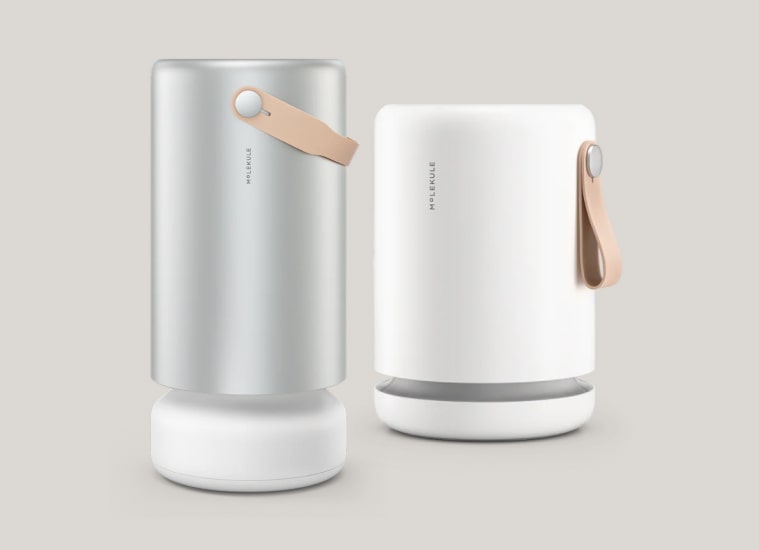
Special Pricing on Air Purifiers Through Molekule Partnership
We have teamed up with Molekule, a leading brand in air purifiers, to provide our patients exclusive discounted pricing on their air purifiers. Access our dedicated link to view these special rates.
The discounted price will be clearly visible during the checkout process, before entering your credit card information. This way, you'll know exactly how much you're saving before finalizing your purchase.
Click hereCopyright © 2026 Allergy, Asthma, and Immunology Medical Group.
All Rights Reserved.
451 W. Gonzales Rd, Suite 150, Oxnard, CA 93030 | 805-658-9500
23928 Lyons Avenue, Suite 208, Newhall, CA 91321 | 805-658-9500
3801 Las Posas Road, Suite 211, Camarillo, CA 93010 | 805-658-9500
