


Look Beyond the Bedroom to Control Dust Mite Allergies
Mattresses and pillows are not the top source of exposure to dust mites.
 Many individuals with asthma or allergies worry about dust mites. These microscopic creatures inhabit every American home, feeding on dead skin cells shed by humans and leaving their own shed cells and feces behind. Both dust mite cells and feces can trigger allergic reactions. Specifically, contact with dust mite allergens causes nasal congestion and swelling and irritation of the upper respiratory tract, resulting in symptoms like sneezing, itchy eyes, and sinus headaches.
For many years, traditional wisdom held that the bedroom was the most important place to keep clear of dust mites and their irritating leavings. This seems reasonable—after all, most people do spend about a third of their life asleep in bed.
However, new research from Sydney University in Australia is challenging this idea. According to this new study, which was published in the journal PLOS One this month, dust mites in mattresses and pillows are actually the least of our problems.
The researchers explain that dust mite cells and feces really only pose a threat when they are airborne. When they settle down as dust, they are much less likely to be inhaled and trigger a reaction.
After going to bed, it takes just a few minutes for any airborne dust to settle down. Unless you are a restless sleeper given to dramatic movements in bed, it is unlikely you will be raising any dust during the night. This means that overnight exposure to dust mite allergens is actually quite minimal.
The researchers based their conclusions on measurements taken on 10 people over 20 days. Each individual wore a sampler to collect airborne particles and a camera that took photos every 15 seconds. This allowed the researchers to see when dust mite allergens were highest and check what the study participants were doing at that time.
Often, dust mites and other allergens increased when the participants were in an enclosed environment with strangers—such as on a bus or in a small office. This happens because we carry all kinds of allergens on our clothes.
Dust mite allergen exposure was not significantly reduced by practices such as using dust-proof sheets and special low-allergy pillows in bed.
So if allergy-free bedding isn’t the answer to the dust mite problem, what is?
Experts suggest measures that will reduce allergens everywhere in the home, such as improving air filtration, eliminating carpets, cleaning more often with better equipment, and washing clothes frequently.
If you need help managing dust mite allergies, allergic asthma, or any other type of allergy condition, please make an appointment with one of our caring allergy doctors today.



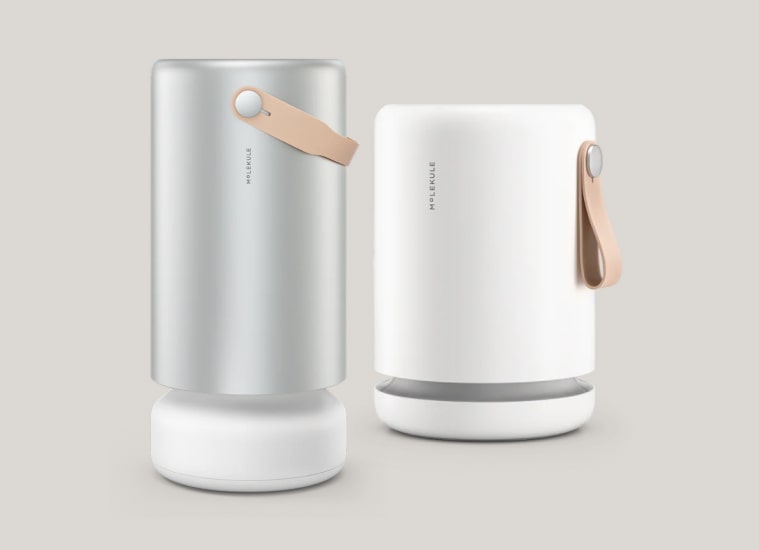
Special Pricing on Air Purifiers Through Molekule Partnership
We have teamed up with Molekule, a leading brand in air purifiers, to provide our patients exclusive discounted pricing on their air purifiers. Access our dedicated link to view these special rates.
The discounted price will be clearly visible during the checkout process, before entering your credit card information. This way, you'll know exactly how much you're saving before finalizing your purchase.
Click hereCopyright © 2026 Allergy, Asthma, and Immunology Medical Group.
All Rights Reserved.
451 W. Gonzales Rd, Suite 150, Oxnard, CA 93030 | 805-658-9500
23928 Lyons Avenue, Suite 208, Newhall, CA 91321 | 805-658-9500
3801 Las Posas Road, Suite 211, Camarillo, CA 93010 | 805-658-9500
