


Want to Breathe Easier? Don’t Use Home Fragrances
Home fragrances can be irritating to anyone, but especially to individuals with allergies or asthma.
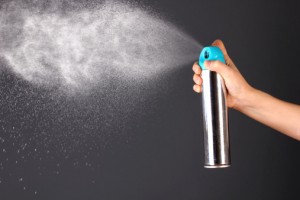 Many people find home fragrances—whether in the form of air freshener sprays, plug-in deodorizers, or scented candles—pleasant and enjoyable. But for allergy and asthma sufferers, these kinds of home fragrances can cause significant distress.
According to the American College of Allergy, Asthma, & Immunology, home fragrances can trigger and/or aggravate symptoms for both allergy and asthma sufferers. About 20 percent of the population and 34 percent of people with asthma report experiencing health problems related to air fresheners.
So what’s so irritating about home fragrances?
VOCS, or Volatile Organic Compounds, are a class of chemical that can actually present hazards for everyone’s health, not just individuals with allergies or asthma. Exposure to VOCs can cause dizziness, headaches, irritation of the respiratory tract, eye irritation, and other symptoms. Children are especially vulnerable and studies have shown that VOCs can trigger asthma symptoms in children even at concentrations below what the EPA considers acceptable.
Common VOCs Found in Home Fragrances
Researchers have found that some home fragrance products can emit upwards of 20 different VOCs, sometimes at concentrations that federal guidelines deem hazardous or toxic. Some of the harmful VOCs commonly found in home fragrance products include:
- Alcohols
- Esters
- Formaldehyde
- Limonene
- Petroleum Distillates
Formaldehyde and limonene are particularly worrisome because they put carcinogens into your indoor air.
What’s The Alternative?
If you want your home to smell pleasant, stop trying to mask odors with home fragrances. Instead, simply clean more often with eco-friendly VOC free or low VOC products. You should also ensure that your home has adequate ventilation so that you’re getting fresh air in the home.
Taking these two steps will actually do more than make your home smell nice. They can also help any asthma or allergy sufferers who live in the home or visit you feel better. Frequent cleaning and proper ventilation helps to control the many different allergens that would otherwise build up in your home, such as dust mites, pet dander, pollen, mold spores, etc. With cleaner indoor air, there will be fewer opportunities for allergens to trigger reactions in allergy and asthma sufferers.
Do You Need Help Controlling Asthma or Allergy Symptoms?
If you have allergies or asthma, you may need additional help controlling your symptoms. After all, no matter how clean and fragrance-free you keep your own home, you will have to get along in all kinds of environments when you go out. The caring allergy doctors at Allergy, Asthma, & Immunology Medical Group can help. Contact us today to make your appointment.



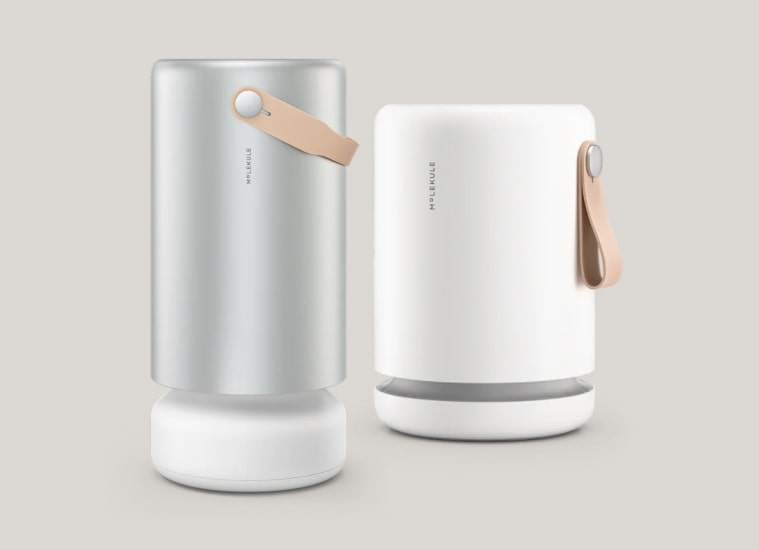
Special Pricing on Air Purifiers Through Molekule Partnership
We have teamed up with Molekule, a leading brand in air purifiers, to provide our patients exclusive discounted pricing on their air purifiers. Access our dedicated link to view these special rates.
The discounted price will be clearly visible during the checkout process, before entering your credit card information. This way, you'll know exactly how much you're saving before finalizing your purchase.
Click hereCopyright © 2026 Allergy, Asthma, and Immunology Medical Group.
All Rights Reserved.
451 W. Gonzales Rd, Suite 150, Oxnard, CA 93030 | 805-658-9500
23928 Lyons Avenue, Suite 208, Newhall, CA 91321 | 805-658-9500
3801 Las Posas Road, Suite 211, Camarillo, CA 93010 | 805-658-9500
