


Tips for Controlling Dust Mites
Enjoyer a cleaner home and fewer allergic reactions with these tips
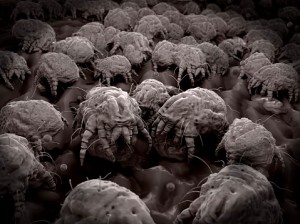 Would you willingly share your bed with a creature you’re allergic to? How about thousands of them? If you are among the 10 percent of Americans with a dust mite sensitivity, this could be exactly what you’re doing.
What Are Dust Mites?
Dust mites are microscopic creatures that feed on dead skin cells shed by humans and pets. Chances are, there are probably hundreds of thousands of them in your home right now. After all, just one square yard of carpet can hold up to 100,000 dust mites. And according to the American Lung Associations, four out of five homes contain at least one mattress that is infested with dust mites.
The mites themselves aren’t really the problem. After all, they are performing an important function by eating up dead skin. The trouble is, dust mites contaminate your home with their own shed skin and feces, both of which contain proteins that can trigger allergic reactions. Considering that the average dust mite produces 20 fecal pellets per day, an infestation can present a serious problem for allergy sufferers.
How Can I Tell If I’m Allergic to Dust Mites?
Dust mites can cause nasal congestion and swelling and irritation of the upper respiratory passages. This may result in a variety of different symptoms from sneezing to itchy eyes to sinus headaches. The best way to confirm that dust mites are the specific cause of your symptoms is to visit an allergist for allergy testing.
How Do I Get Rid of Dust Mites?
Even if you are not actually allergic to dust mites, you may very well be disgusted by them. Here are some tips that can help control dust mite populations in your home:
Wash bedding often: Washing your sheets, pillows and blankets in hot water is an excellent way to kill dust mites and wash away their leavings. For best results the water should be at least 130F.
Protect your mattresses: Since mattresses can’t be washed, you need to keep dust mites from getting into them in the first place. This can be done by thoroughly vacuuming the mattresses and then covering them with specially designed plastic dust mite covers.
Reduce temperature and humidity: Dust mites like to be warm and damp. By keeping your house cooler than 70F and making sure the humidity is less than 50 percent, you can help keep dust mites from multiplying. It may also help to leave your bed unmade so that the sheets can air out.
Dust often: Like any creature, dust mites need food to thrive. The better you are about keeping up with your housecleaning, the less skin cells and pet dander will be available for mites to feed on and the less trouble you should have with allergies. Cleaning often also helps remove the dust mite feces and body parts the creatures are dropping.
Still Suffering?
If, after attempting to control dust mites in your home, you are still suffering from allergy symptoms, please do not hesitate to call your allergy doctor for help.



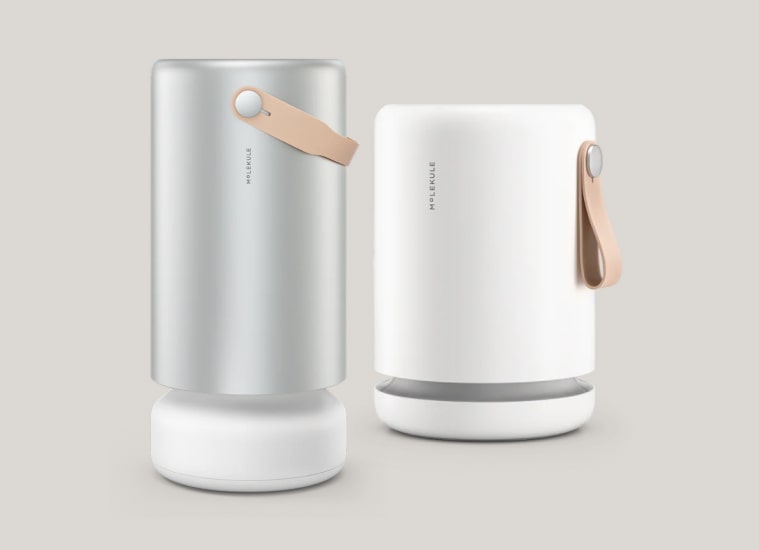
Special Pricing on Air Purifiers Through Molekule Partnership
We have teamed up with Molekule, a leading brand in air purifiers, to provide our patients exclusive discounted pricing on their air purifiers. Access our dedicated link to view these special rates.
The discounted price will be clearly visible during the checkout process, before entering your credit card information. This way, you'll know exactly how much you're saving before finalizing your purchase.
Click hereCopyright © 2026 Allergy, Asthma, and Immunology Medical Group.
All Rights Reserved.
451 W. Gonzales Rd, Suite 150, Oxnard, CA 93030 | 805-658-9500
23928 Lyons Avenue, Suite 208, Newhall, CA 91321 | 805-658-9500
3801 Las Posas Road, Suite 211, Camarillo, CA 93010 | 805-658-9500
