


Top Three Indoor Allergy Myths Debunked
Believing these myths could make your allergies worse.
 Many people try to diagnose and manage minor allergies on their own. This can lead to believing in common myths about indoor allergies and potentially making your symptoms worse.
Here are the top 3 indoor allergy myths you need to avoid:
Hypoallergenic Dogs Won’t Trigger Your Allergies
Dogs really are “man’s best friend,” and it’s easy to understand why even individuals with allergies are eager to have a canine companion. Many allergy sufferers opt for so-called hypoallergenic breeds, hoping that they will be able to enjoy their pet without triggering their allergies.
Unfortunately, the idea of a truly hypoallergenic dog is a myth. While hypoallergenic breeds do shed less, this loose fur isn’t really what you are allergic to. It is the dander from the dog’s skin and their saliva that triggers allergic reactions, and no dog can ever be bred to be dander- and saliva-free. One study from the Henry Ford Research Hospital tested the air in homes of 173 dog owners and found that having a hypoallergenic dog did not make any significant difference in the amount of allergens present.
Regardless of the breed of dog you have, the best way to find relief from allergies is to wash your pet weekly and use a HEPA air filter to remove dander from your indoor air.
You Need Anti-Allergy Bedding
Many people erroneously believe they are allergic to down pillows and comforters. This has led to a boom in the sales of “anti-allergen” pillows and bedding.
However, the truth of the matter is that very few people are allergic to down. For most people, the problem is dust mites, mold spores, and other allergens that can become trapped in the bedding. According to research from The Ohio State University Wexner Medical Center, some “anti-allergen” bedding materials are more porous than down products and can actually trap more allergens.
To get a good night’s sleep without interruption from allergies, the best thing to do is make sure your pillows and comforters have tightly woven casings that will not trap allergens easily. Also, be sure to wash your bedding—including pillows—regularly in hot water.
Black Mold Will Kill You
One final myth that can have a negative impact on allergy sufferers is the idea that black mold is toxic.
In reality, there is no scientific evidence behind the tales of fatal reactions to black mold. Like any kind of mold, black mold can cause allergy symptoms, but that is all.
It is important not to let fears of black mold toxicity keep you from cleaning up any mold spots you see ASAP. You do not have to wait for professional help—just use a solution of bleach and water to kill the mold.
Need Help Managing Allergy Symptoms?
Of course, no matter how careful you are to reduce indoor allergens at home, you may still have allergy symptoms. For relief, come to Allergy, Asthma, and Immunology Medical Group. Our experienced allergists can help pinpoint your allergy triggers and provide medications to control your symptoms.



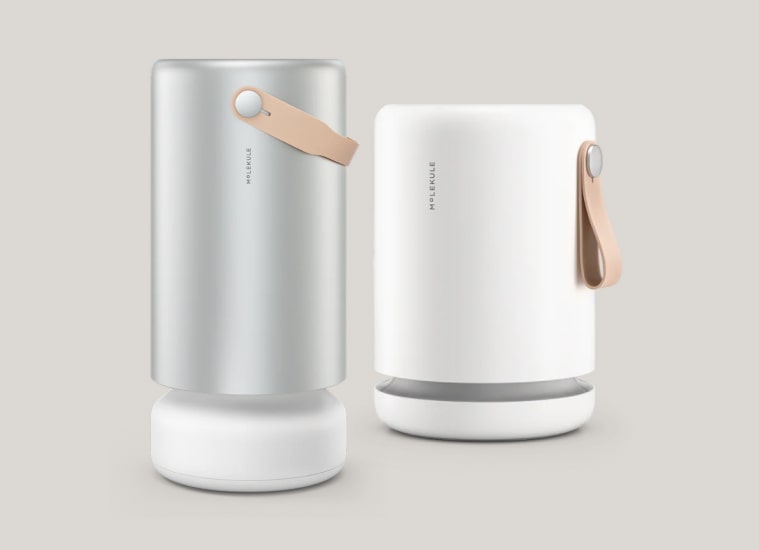
Special Pricing on Air Purifiers Through Molekule Partnership
We have teamed up with Molekule, a leading brand in air purifiers, to provide our patients exclusive discounted pricing on their air purifiers. Access our dedicated link to view these special rates.
The discounted price will be clearly visible during the checkout process, before entering your credit card information. This way, you'll know exactly how much you're saving before finalizing your purchase.
Click hereCopyright © 2026 Allergy, Asthma, and Immunology Medical Group.
All Rights Reserved.
451 W. Gonzales Rd, Suite 150, Oxnard, CA 93030 | 805-658-9500
23928 Lyons Avenue, Suite 208, Newhall, CA 91321 | 805-658-9500
3801 Las Posas Road, Suite 211, Camarillo, CA 93010 | 805-658-9500
