


Don’t Give Up on Your Eosinophilic Esophagitis Treatment
Though half of patients fail to find relief with their first treatment, most find relief with additional treatments.
 If you suffer from eosinophilic esophagitis, you already know how distressing the symptoms of this allergic/immune condition can be. In some cases, the tissues develop so many white blood cells that the esophagus can narrow to the point where it is very difficult or even impossible to swallow normally. In some cases food can even become stuck in the esophagus while swallowing, which creates a serious medical emergency.
Unfortunately, eosinophilic esophagitis can be difficult to treat, due in part to the complexity of the condition. It is often—but not always—related to food allergies, but there may be other triggers. In addition to managing the allergic trigger, any treatment regimen must also address and control inflammation and acid production to help relieve the symptoms of eosinophilic esophagitis.
Don’t Give Up if Your First Treatment Fails
In clinical practice, roughly half of all patients diagnosed with eosinophilic esophagitis do not respond to the first treatment they are offered. However, with perseverance many of these patients are able to find relief using secondary treatment methods.
Study Shows Hope for Patients
A recent study from The Journal of Allergy and Clinical Immunology explored this phenomenon to try to help patients understand their likelihood of responding to additional treatments once the first treatment has failed.
The study was based on analysis of 97 eosinophilic esophagitis patients who were evaluated at Massachusetts General Hospital starting in2007.
Of these patients, 81 choose to use dietary therapy (elimination diets) to prevent the allergic reactions triggering their symptoms and 16 chose glucocorticoid medication to control inflammation in the esophagus. The success rate for this initial round of treatment was successful for 67 percent of the patients using dietary therapy and 56 percent of the patients using medication.
Of the 34 patients who failed to find relief, 24 chose to try a second treatment. For 54 percent of them, this second treatment proved effective. The majority of the remaining patients continued their search for an effective treatment method until ultimately 80 percent of the 97 patients in the study had found relief.
Our Allergy Doctors Can Help
If you have been diagnosed with eosinophilic esophagitis, it is essential that you have a gastroenterologist and an allergy doctor working together closely on your care. At Allergy, Asthma, & Immunology Medical Group, our allergy doctors have experience with this condition and we will not give up on you if the first treatment option fails to deliver results. We have multiple different treatment options at our disposal and we will help you find the one that works for you.
To make an appointment, call one of our clinic locations today.



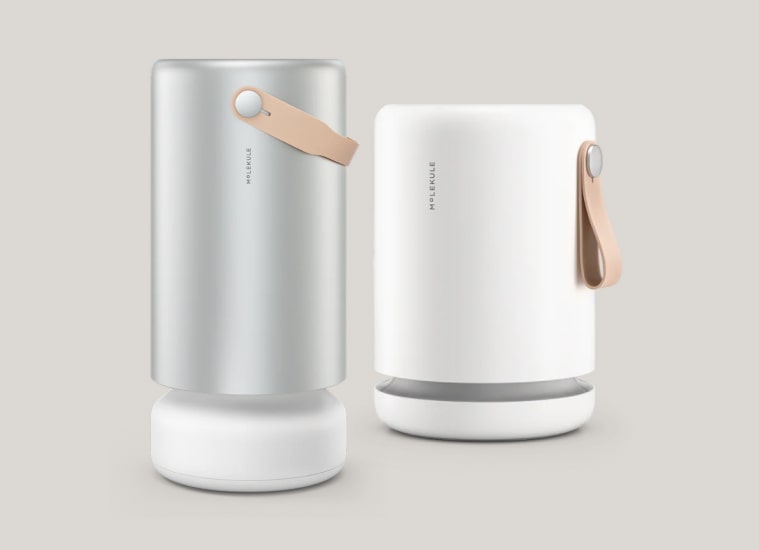
Special Pricing on Air Purifiers Through Molekule Partnership
We have teamed up with Molekule, a leading brand in air purifiers, to provide our patients exclusive discounted pricing on their air purifiers. Access our dedicated link to view these special rates.
The discounted price will be clearly visible during the checkout process, before entering your credit card information. This way, you'll know exactly how much you're saving before finalizing your purchase.
Click hereCopyright © 2026 Allergy, Asthma, and Immunology Medical Group.
All Rights Reserved.
451 W. Gonzales Rd, Suite 150, Oxnard, CA 93030 | 805-658-9500
23928 Lyons Avenue, Suite 208, Newhall, CA 91321 | 805-658-9500
3801 Las Posas Road, Suite 211, Camarillo, CA 93010 | 805-658-9500
