


What You Need to Know About Oral Food Challenges
Oral food challenges are a safe way to identify food allergies.
 If you suspect you have a food allergy, but you aren’t exactly sure what foods can trigger it, every meal is like a minefield. You may be afraid to eat anything that might possibly contain one of the 8 major food allergens (milk, eggs, wheat, soy, peanuts, tree nuts, shellfish, and fish) in case it makes your lips and tongue swell, your stomach cramp up, or your body go into anaphylactic shock.
The traditional means of identifying a food allergy is to visit your allergy doctor for skin testing or blood testing. Unfortunately, these allergy tests are not always as conclusive as we’d like. If there is still doubt as to whether or not you are truly allergic to a given food (or simply intolerant to that food), your allergy doctor may recommend an oral food challenge (OFC).
Here’s what you need to know about OFCs.
What Exactly is an OFC?
Sometimes called a feeding test, an oral food challenge is a medical test in which you will consume gradually increasing amounts of a suspected food allergen under the watchful eye of your allergy doctor. The goal is to ascertain whether or not the food in question triggers an allergic response, which will tell you if you really do need to exclude it from your diet.
How Long Does an OFC Take?
An OFC typically takes no longer than 4 hours. The actual feeding will be done in 15 to 30 minute intervals, followed by observation. If no symptoms are experienced, an hour of observation may be sufficient. If you do have an allergic reaction, you will need to be observed longer, perhaps for 2 to 4 hours.
Will I Have To Do Anything Special To Prepare for the OFC?
OFCs must be done when you are in good health so that there is no possibility of symptoms of illness being mistaken for or masking food allergy symptoms. You will need to stop taking any antihistamines for a week or two before the test, and if you have had to use any emergency medications like an asthma inhaler or epinephrine recently the test will need to be postponed.
Are OFCs Safe?
OFCs are regarded as very safe because they are conducted under the careful supervision of a doctor. This ensures that even if a severe allergic reaction occurs, you will be able to receive immediate professional care. Severe reactions are rare because the initial amount of food given in the first step of the test is so small, and if any symptoms are observed the test is stopped immediately.
Need Help with Food Allergies?
If you need help diagnosing a food allergy, make an appointment with Allergy, Asthma, & Immunology Medical Group today. We can help with all kinds of food allergy testing, starting with simple skin tests and progressing to OFCs only if needed.



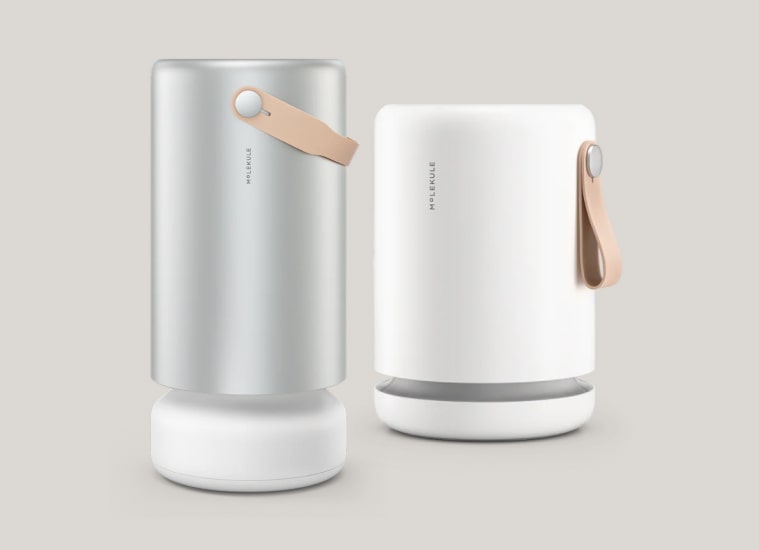
Special Pricing on Air Purifiers Through Molekule Partnership
We have teamed up with Molekule, a leading brand in air purifiers, to provide our patients exclusive discounted pricing on their air purifiers. Access our dedicated link to view these special rates.
The discounted price will be clearly visible during the checkout process, before entering your credit card information. This way, you'll know exactly how much you're saving before finalizing your purchase.
Click hereCopyright © 2026 Allergy, Asthma, and Immunology Medical Group.
All Rights Reserved.
451 W. Gonzales Rd, Suite 150, Oxnard, CA 93030 | 805-658-9500
23928 Lyons Avenue, Suite 208, Newhall, CA 91321 | 805-658-9500
3801 Las Posas Road, Suite 211, Camarillo, CA 93010 | 805-658-9500
