


Best Pet Tips for Allergy Sufferers
Got pet allergies? With proper precautions you may still be able to enjoy a furry family member.
 As of 2014, there were 95.6 million pet cats and 83.3 million pet dogs in the US. With household pets everywhere you turn, it’s no wonder that your children (or your partner) may be clamoring for an animal of their own. Pets certainly do enrich our lives in many ways, but is having a pet worth the itching, sneezing, watery eyes, or hives you may experience?
While there is no such thing as a truly “hypoallergenic” animal, the good news is that there are ways for individuals with mild or moderate pet allergies to enjoy having a pet with no or greatly reduced symptoms.
Here’s what you need to know.
Best Dog Breeds for People with Allergies: Contrary to popular belief, dog hair is not responsible for pet allergies. The real culprits are proteins found in the dog’s dead skin, saliva, and urine. Still, because dead skin hitches a ride on shed hair, choosing a breed that does not shed, sheds very little, or requires frequent professional grooming outside the home can reduce allergic reactions and allergy symptoms. Some of the dog breeds least likely to trigger an immune response include:
- Portuguese Water Dog
- Kerry Blue Terrier
- Standard Poodle
- Bichon Frise
- Labradoodle
Best Cat Breeds for People with Allergies: Unfortunately, cat allergies are much more common than dog allergies, and almost all breeds trigger the same level of allergic reaction in allergy suffers. If you want a cat but your allergic child or partner wants nothing to do with it, the Sphinx cat could be an option. Because this cat has no hair, it does not deposit as many allergens around the home. However, it does emit allergens through its naked skin so allergic individuals may have a reaction upon touching it. Another possibility for an individual with a mild cat allergy is the Devon Rex Cat, a breed with a short, light coat that requires little grooming. Because this type of cat licks itself less than your average cat, it may produce less of an allergic response.
Play Before You Purchase: Every individual’s allergies are different, so one type of dog or cat that poses no challenges for one allergy sufferer may be extremely upsetting to another. It is very important to make sure any allergic individual who will be living in the home with the pet has a chance to interact with the pet and gauge their reaction before you bring the pet home.
Keep it Clean: Washing your hands after handling a pet and sweeping or vacuuming up pet hair and dander frequently can really help control allergies by reducing the amount of allergens in the home. Carpet is a notorious allergen-hoarder, and swapping it out for hard wood or tile can be very helpful for allergy sufferers.
Get Expert Advice: Individuals with one type of allergy often have others, and pet allergens may also pose a complication for individuals with asthma. So, if you or a loved one has allergies, it would be wise to consult an allergist from Allergy, Asthma, & Immunology Medical Group for expert advice before adding a furry family member to your household.



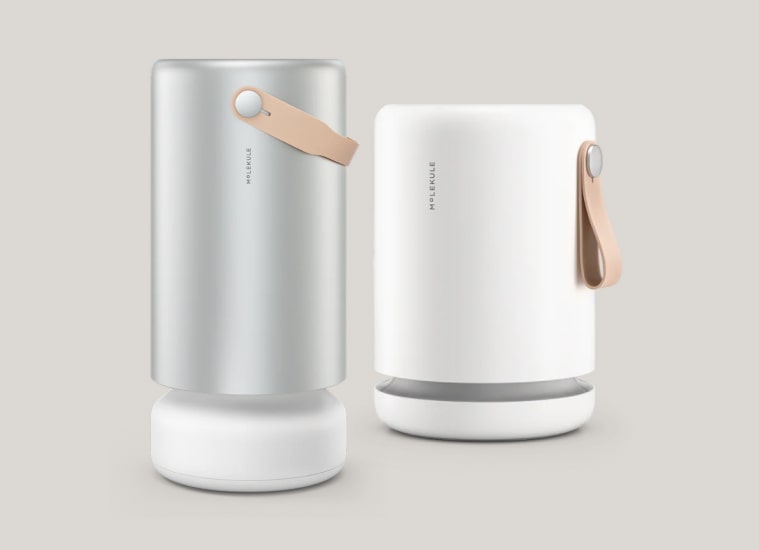
Special Pricing on Air Purifiers Through Molekule Partnership
We have teamed up with Molekule, a leading brand in air purifiers, to provide our patients exclusive discounted pricing on their air purifiers. Access our dedicated link to view these special rates.
The discounted price will be clearly visible during the checkout process, before entering your credit card information. This way, you'll know exactly how much you're saving before finalizing your purchase.
Click hereCopyright © 2026 Allergy, Asthma, and Immunology Medical Group.
All Rights Reserved.
451 W. Gonzales Rd, Suite 150, Oxnard, CA 93030 | 805-658-9500
23928 Lyons Avenue, Suite 208, Newhall, CA 91321 | 805-658-9500
3801 Las Posas Road, Suite 211, Camarillo, CA 93010 | 805-658-9500
