


8 Odd Things that Can Trigger or Worsen Hay Fever
High pollen counts aren’t the only thing hay fever sufferers need to worry about.
 If you suffer from hay fever, you probably dread “allergy season” when high pollen and mold spore counts bring a host of unpleasant symptoms including runny nose, sneezing, coughing, watery or itchy eyes, and sinus pressure. You might be surprised to know that the following 8 odd things can also trigger or worsen your allergy symptoms.
Weather Changes: If you have allergies, you may find that dramatic weather changes—especially those that involve changes in barometric pressure—can affect your symptoms. You may find that your nasal passages become more irritated during these times and your sinus pressure becomes more acute.
Second Hand Smoke: There are all kinds of health reasons to avoid second hand smoke, and now you can add allergies to the list. If you are already suffering from hay fever, breathing in cigarette smoke can make your symptoms worse.
Alcohol: While a few people have true allergies to the sulfites in alcoholic drinks, for most people alcohol just triggers minor non-allergic irritations like a runny or stuffy nose. If you have seasonal allergies you may notice increased irritation after drinking alcohol during an allergy attack.
Contact Lenses: Wearing contact lenses can cause pollen and mold spores to become trapped against the surface of the eye. This may worsen any issues you have with red, watery, or itchy eyes.
Certain Fruits: Sometimes individuals with allergies experience cross-reactivity when eating certain foods. For example, if you have a ragweed allergy you may notice an itchy mouth after eating melons or tomatoes.
Mowing the Lawn: Many people assume they are allergic to grass because mowing the lawn brings on such unpleasant allergy symptoms. In reality, what they are experiencing is a reaction to the mower stirring up the pollen and/or mold present on the grass.
Stress: While stress doesn’t trigger allergies, some studies suggest stress can make symptoms worse. You may find yourself suffering from more severe allergy attacks in the days following a stressful event.
Pets: Of course some individuals with seasonal allergies also experience symptoms when confronted with year-round allergens like dust and pet dander. But even if you are not allergic to dogs or cats, interacting with one could trigger your seasonal allergies if the animal has recently been outside and has pollen in its fur.
Get Help Managing Your Allergies
If allergy season has you holed up inside for fear of triggering an allergy attack, you can get your life back with help from the expert allergists at Allergy, Asthma, & Immunology Medical Group. We can help you find the right medications to successfully manage your symptoms as well as provide immunotherapy to reduce your sensitivity.


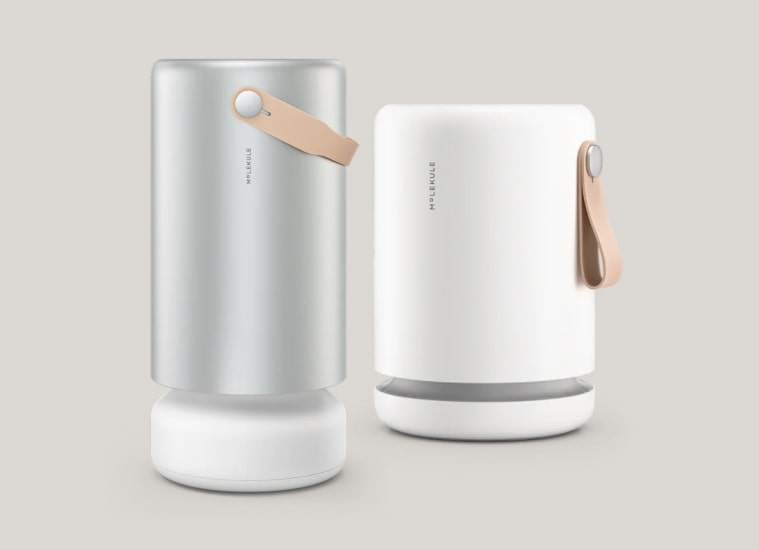
Special Pricing on Air Purifiers Through Molekule Partnership
We have teamed up with Molekule, a leading brand in air purifiers, to provide our patients exclusive discounted pricing on their air purifiers. Access our dedicated link to view these special rates.
The discounted price will be clearly visible during the checkout process, before entering your credit card information. This way, you'll know exactly how much you're saving before finalizing your purchase.
Click hereCopyright © 2026 Allergy, Asthma, and Immunology Medical Group.
All Rights Reserved.
451 W. Gonzales Rd, Suite 150, Oxnard, CA 93030 | 805-658-9500
23928 Lyons Avenue, Suite 208, Newhall, CA 91321 | 805-658-9500
3801 Las Posas Road, Suite 211, Camarillo, CA 93010 | 805-658-9500
